
Safaris in Tanzania
Tanzania
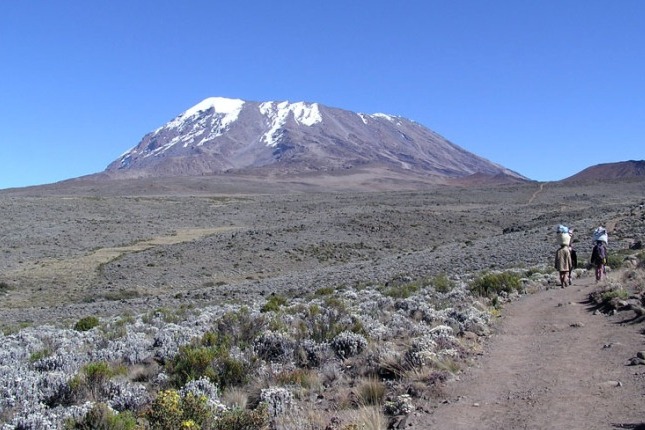
Tanzania is a land of superlatives and the ultimate destination for those seeking the raw spirit of Africa. Stretching from the spice-scented shores of the Indian Ocean to the snow-capped peak of Mount Kilimanjaro, it is a country of breathtaking scale and cinematic beauty.
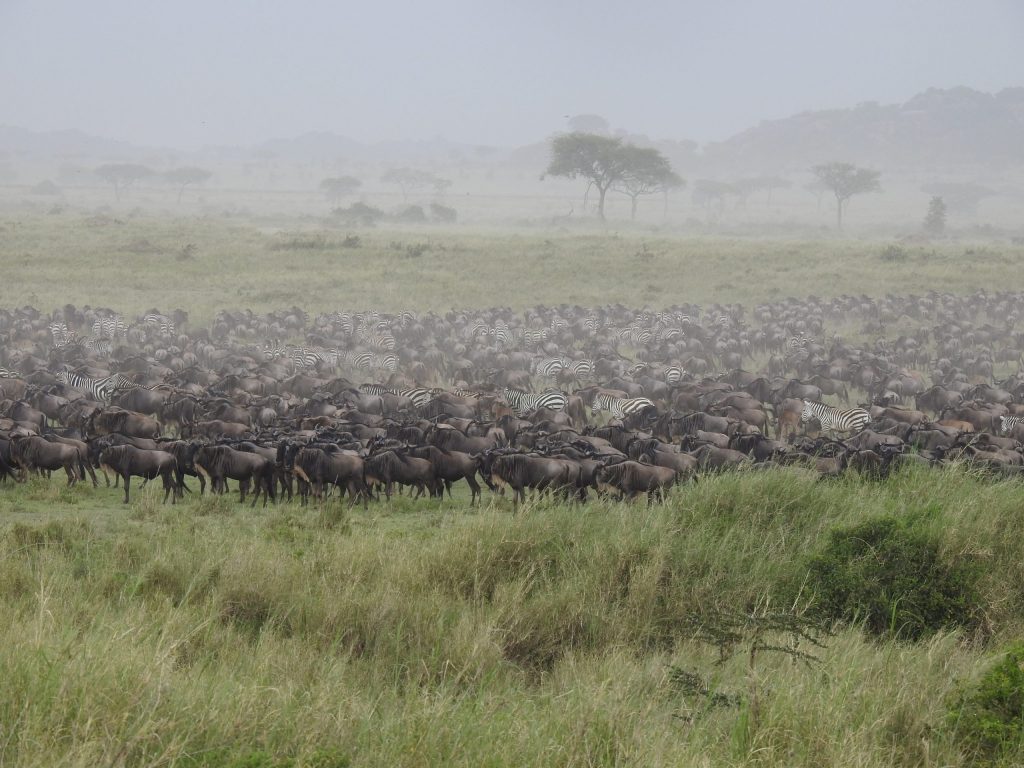
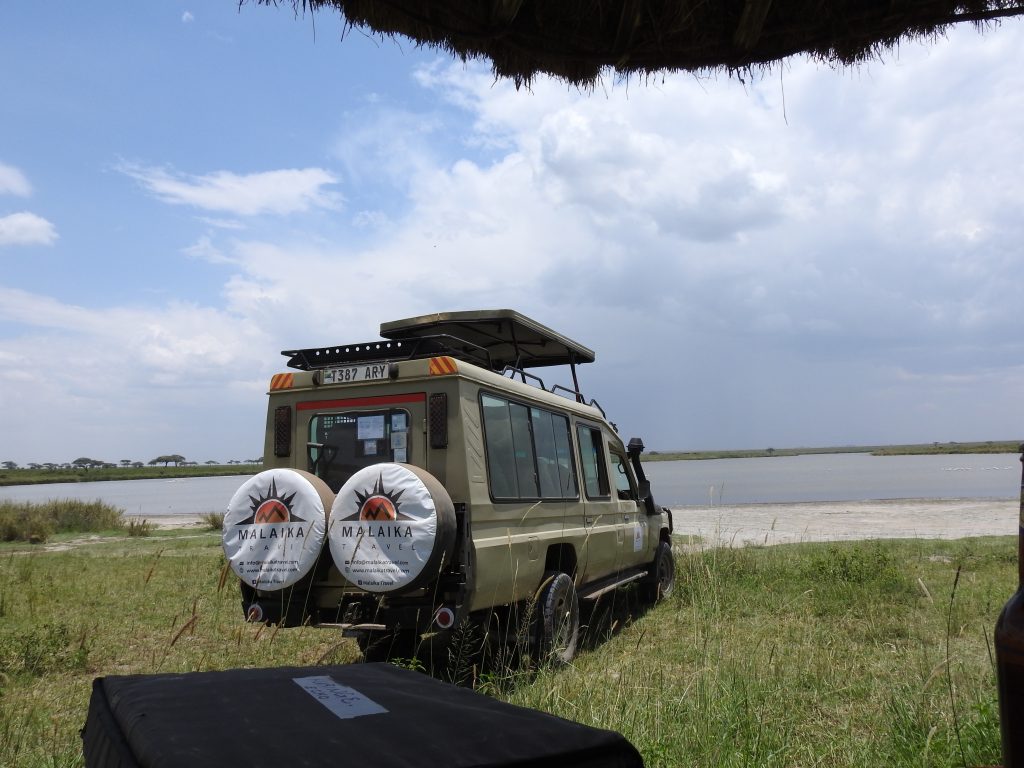
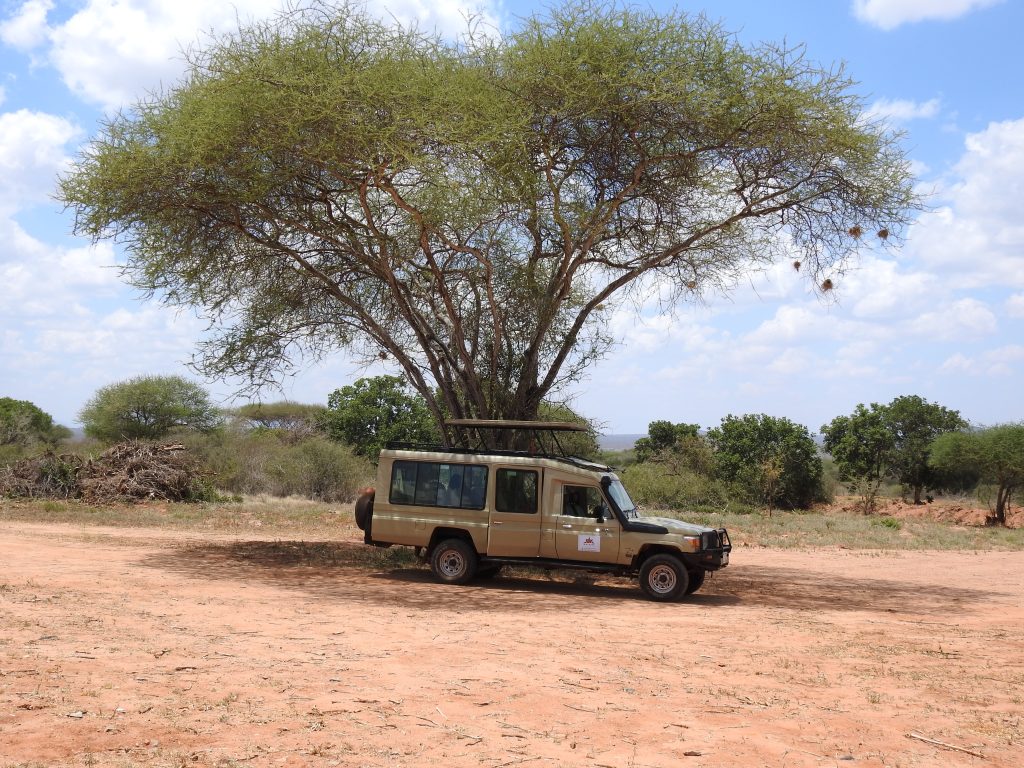
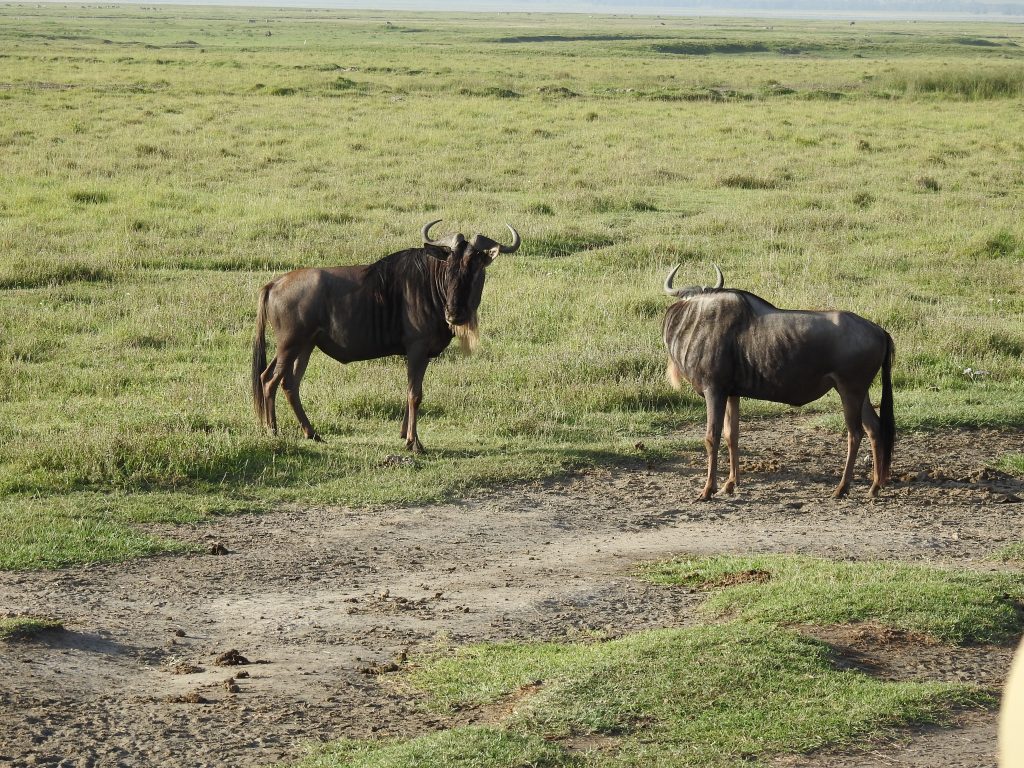
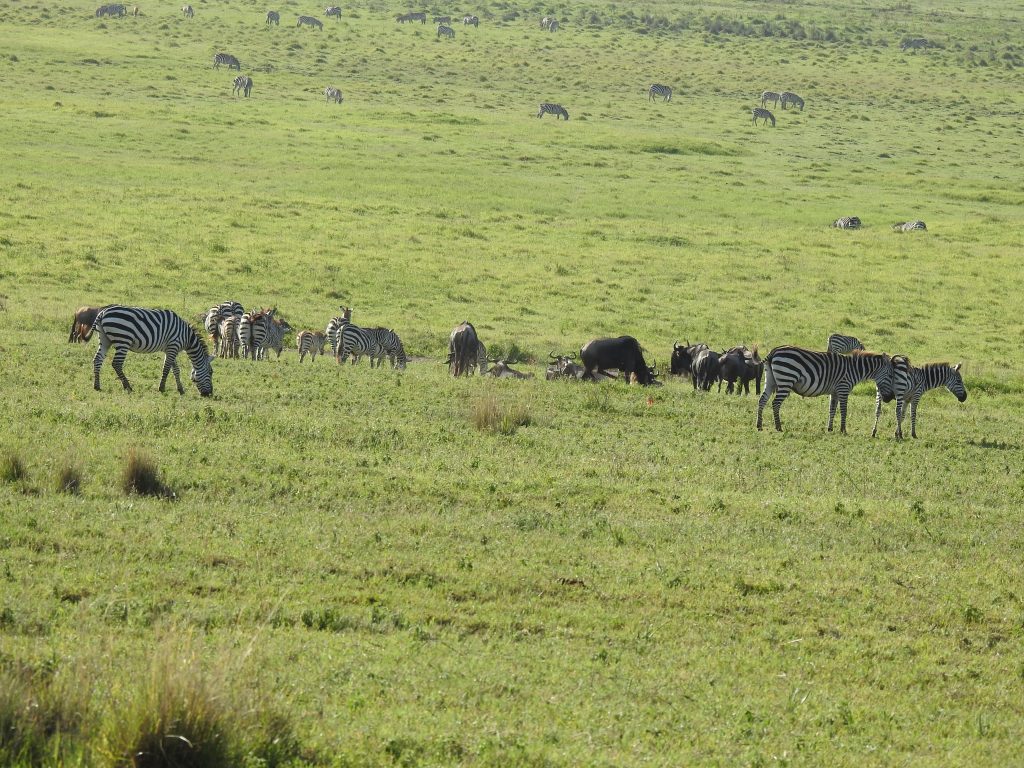
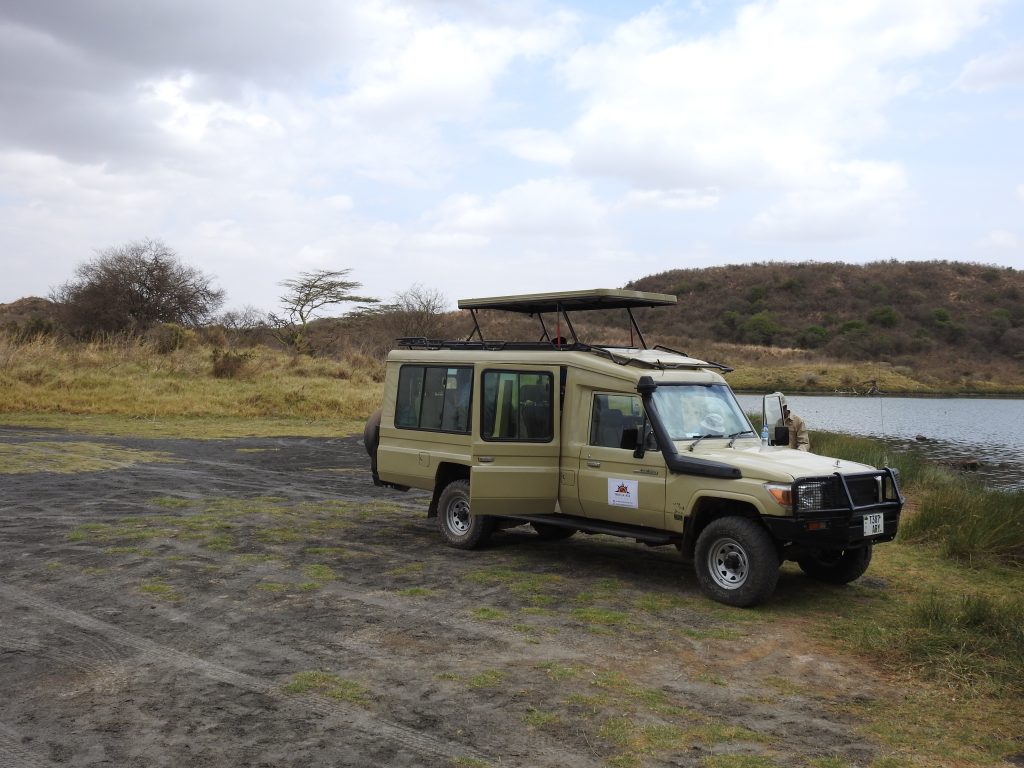
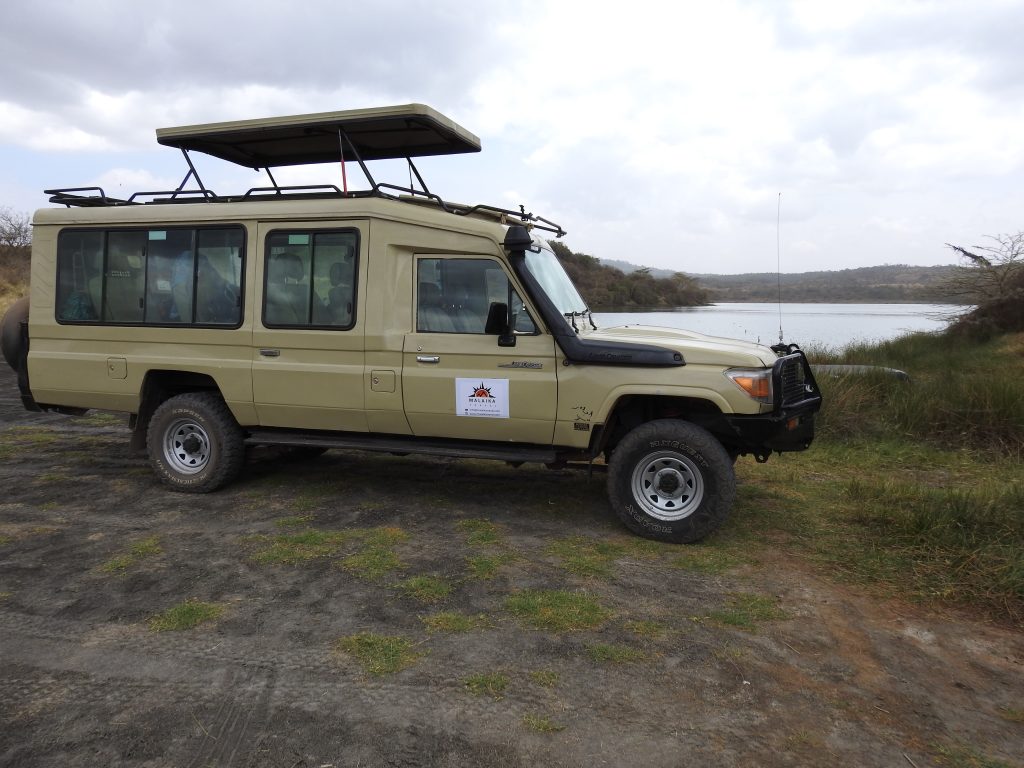
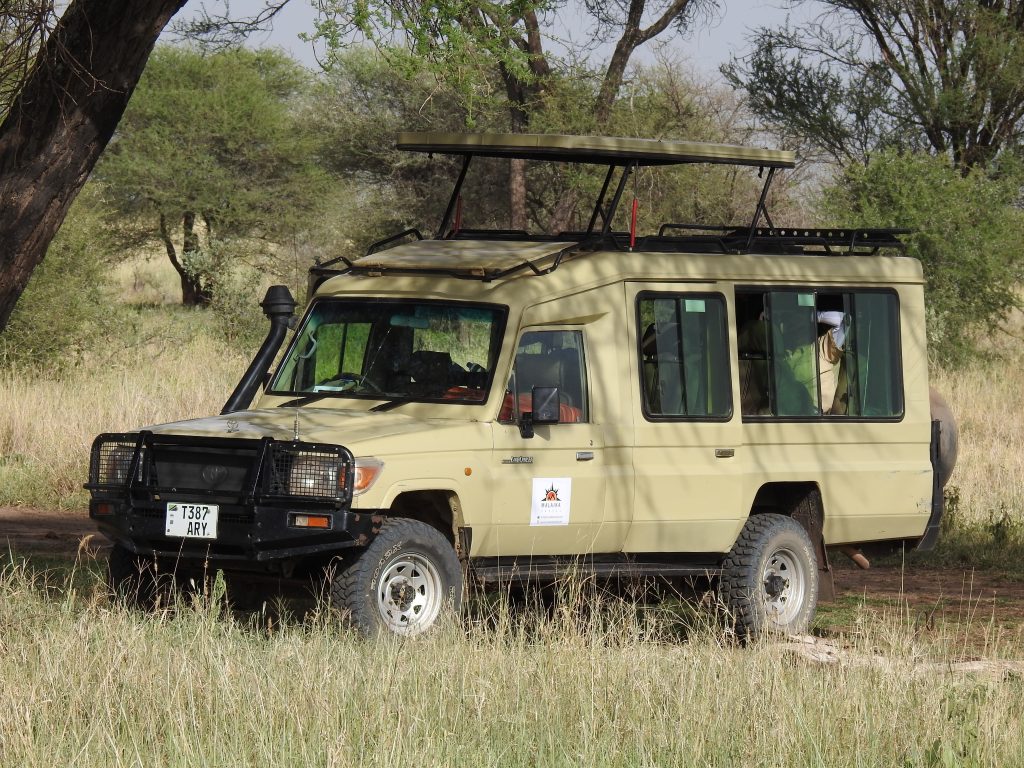
Famous for hosting the Great Migration, Tanzania offers a wildlife spectacle that is simply unmatched. Here, you can witness millions of wildebeest dotting the horizon or explore the “eighth wonder of the world” inside the majestic Ngorongoro Crater. At Malaika Travel, we bring you closer to this wild heart of Africa. Our safaris are conducted in powerful 4X4 Land Cruiser Jeeps, custom-built with pop-up roofs for 360-degree photography and long-range radios to ensure you never miss a moment of the action. Whether you dream of an authentic bush camp under the stars, a comfortable family-friendly lodge, or an ultra-luxury retreat, we specialize in making those dreams a reality. With our deep local knowledge and customizable itineraries, your journey through Tanzania will be nothing short of extraordinary.
See all Tanzania safaris
Click here for Mount Kilimanjaro and Mount Meru trekking and climbing options
Itineraries
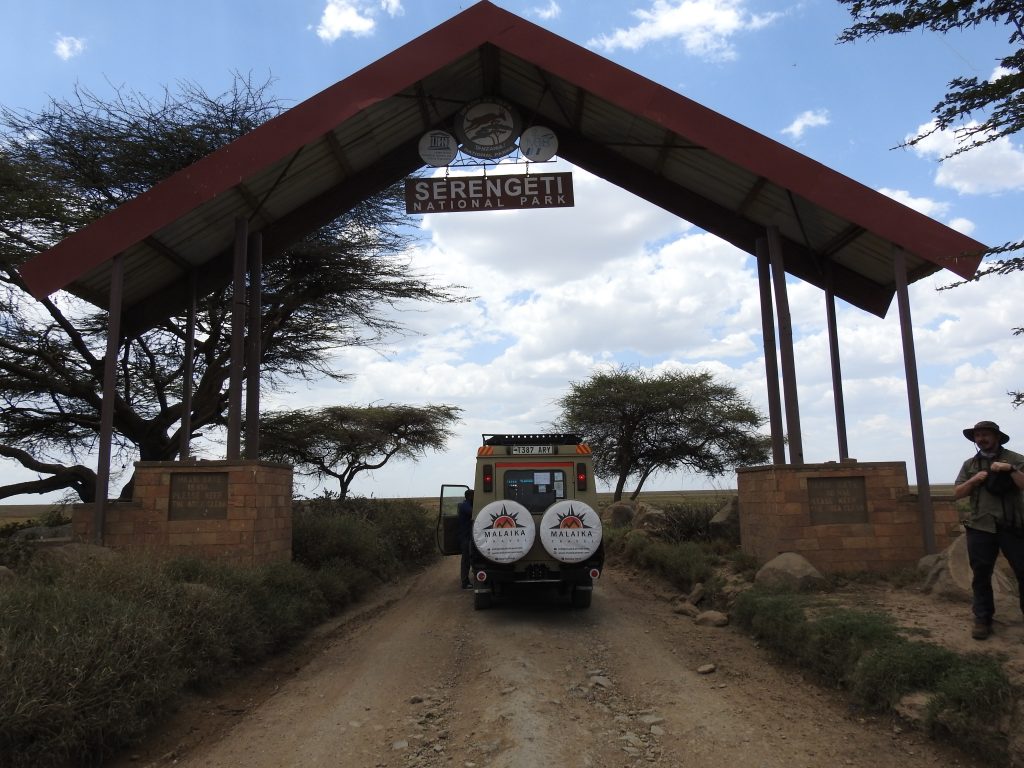
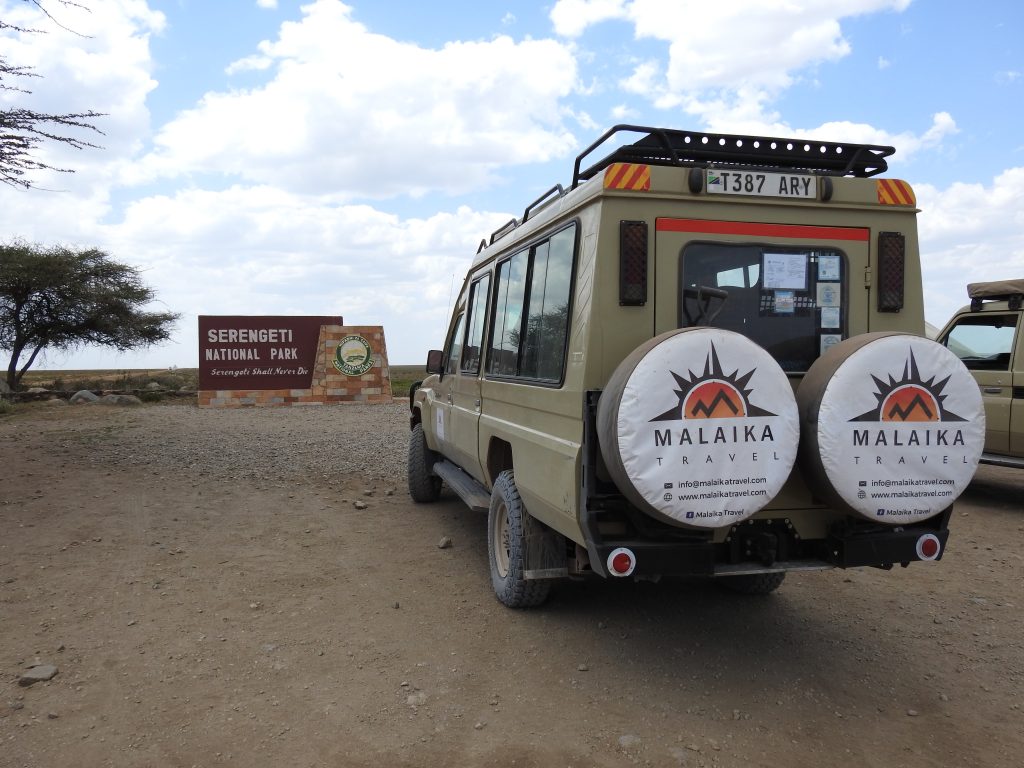
Serengeti National Park
What can I do here?
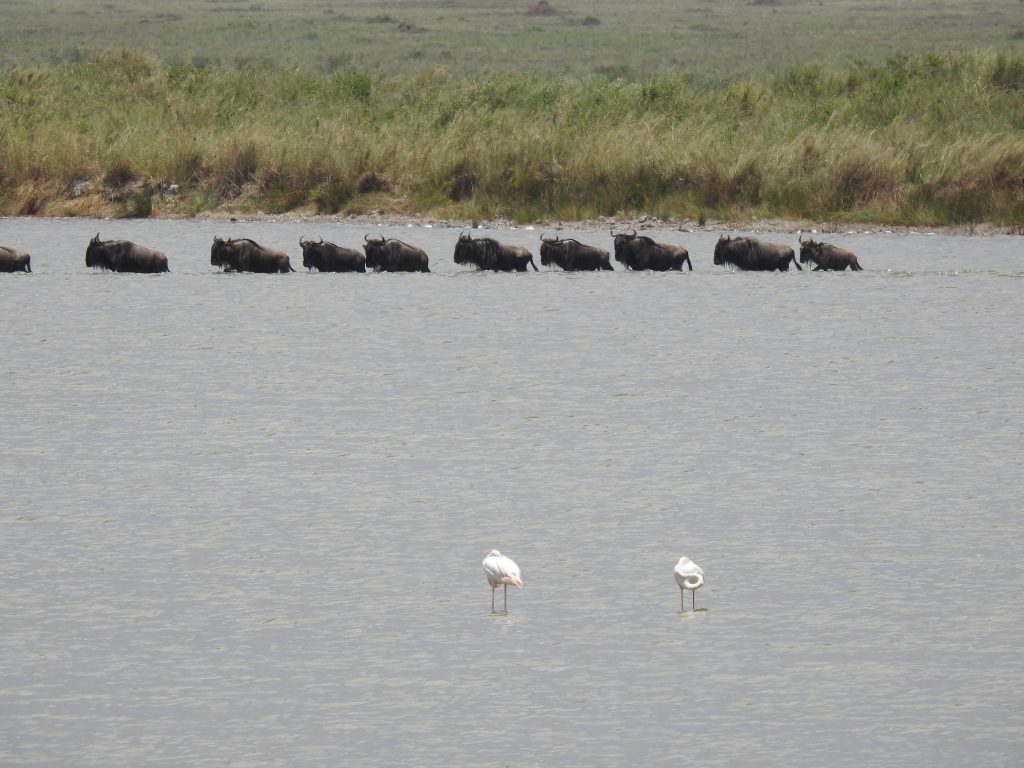
- Watch wildebeest migrating
- Bird watching
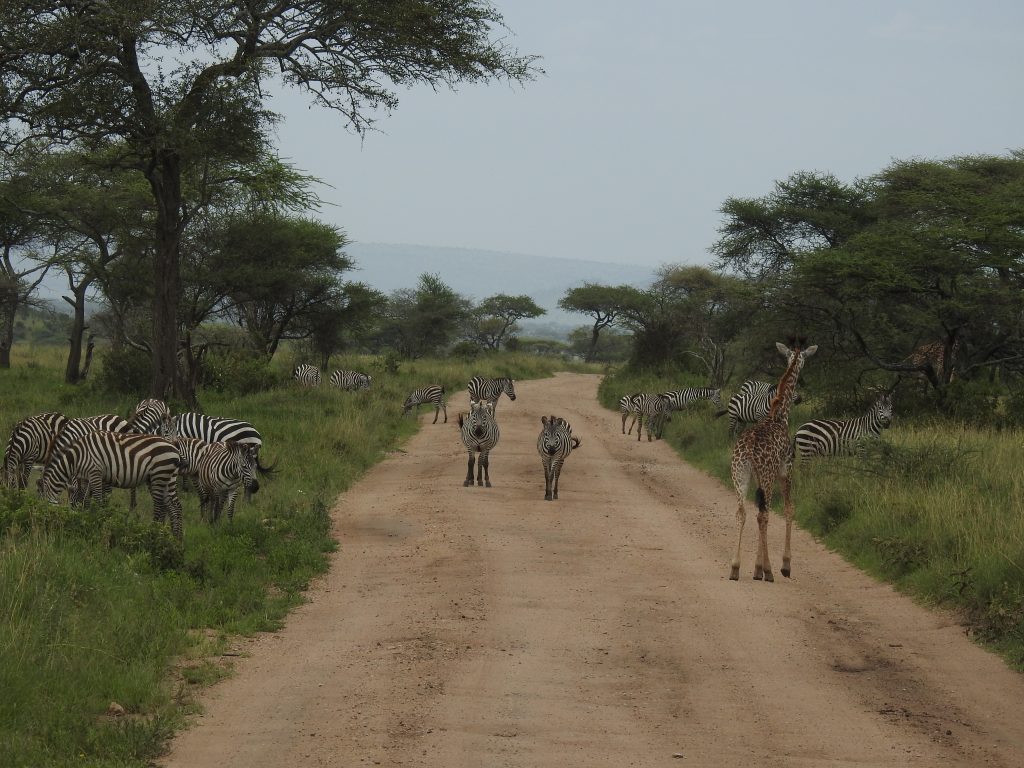
- Game drive
Overview
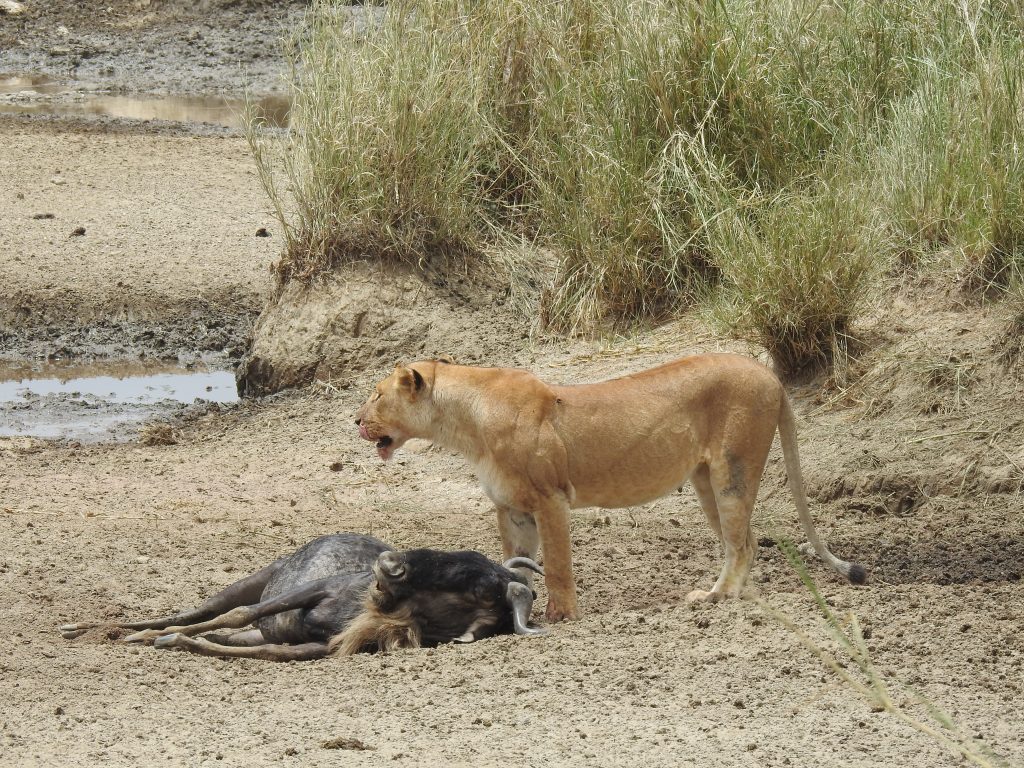
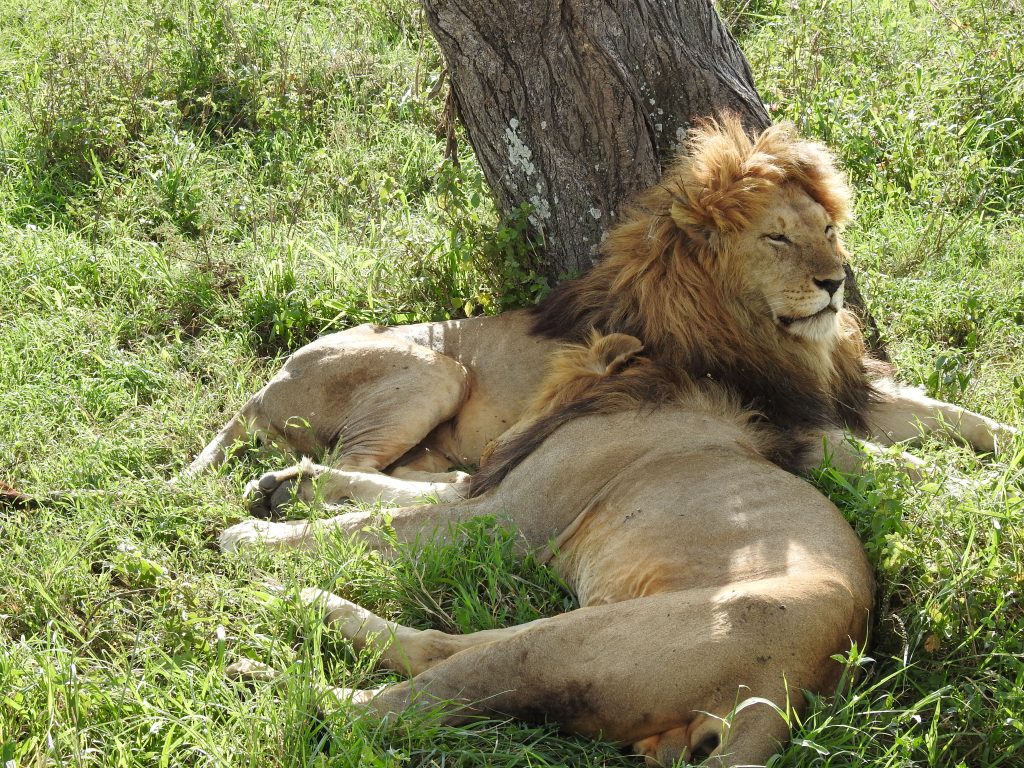
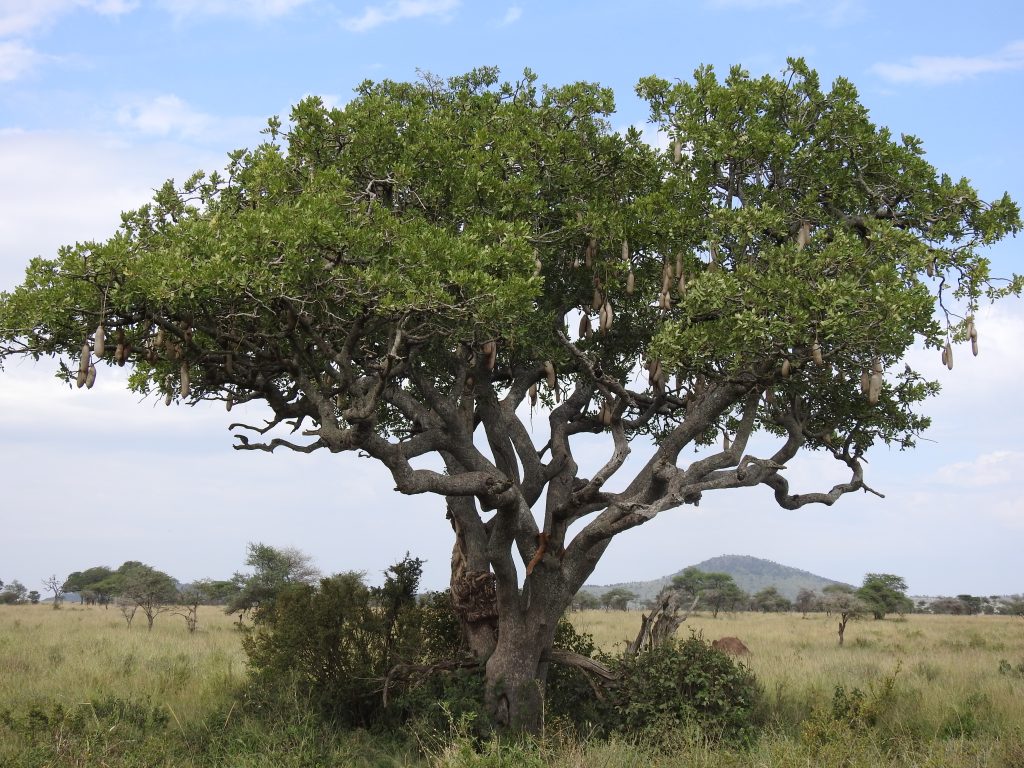
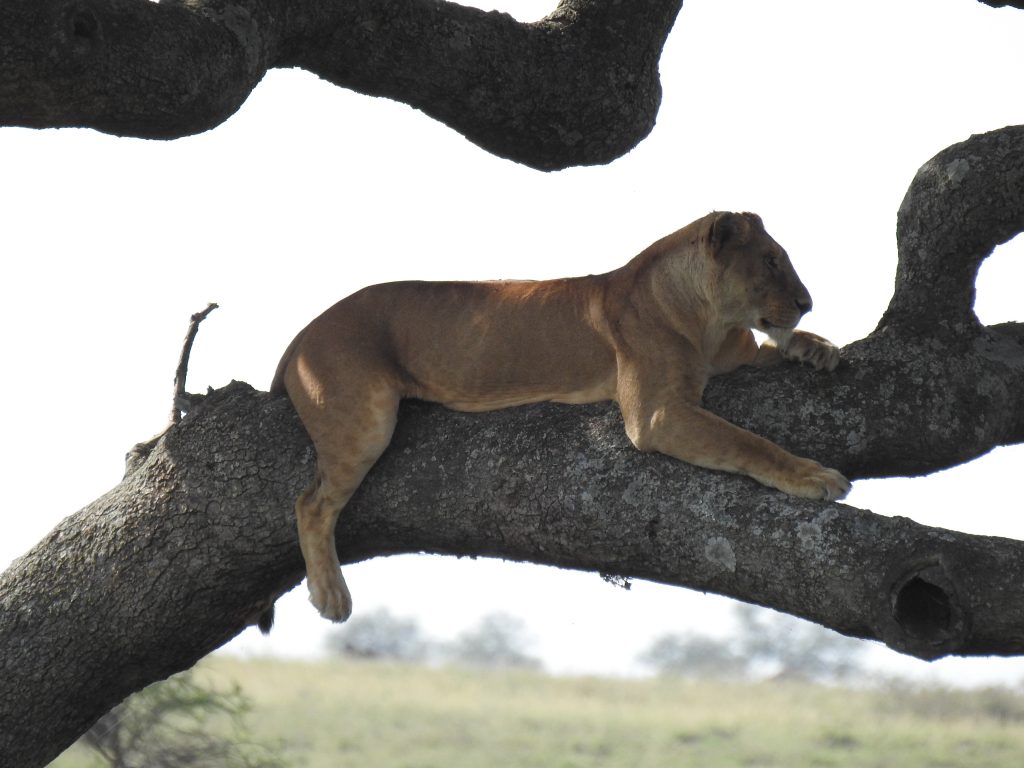
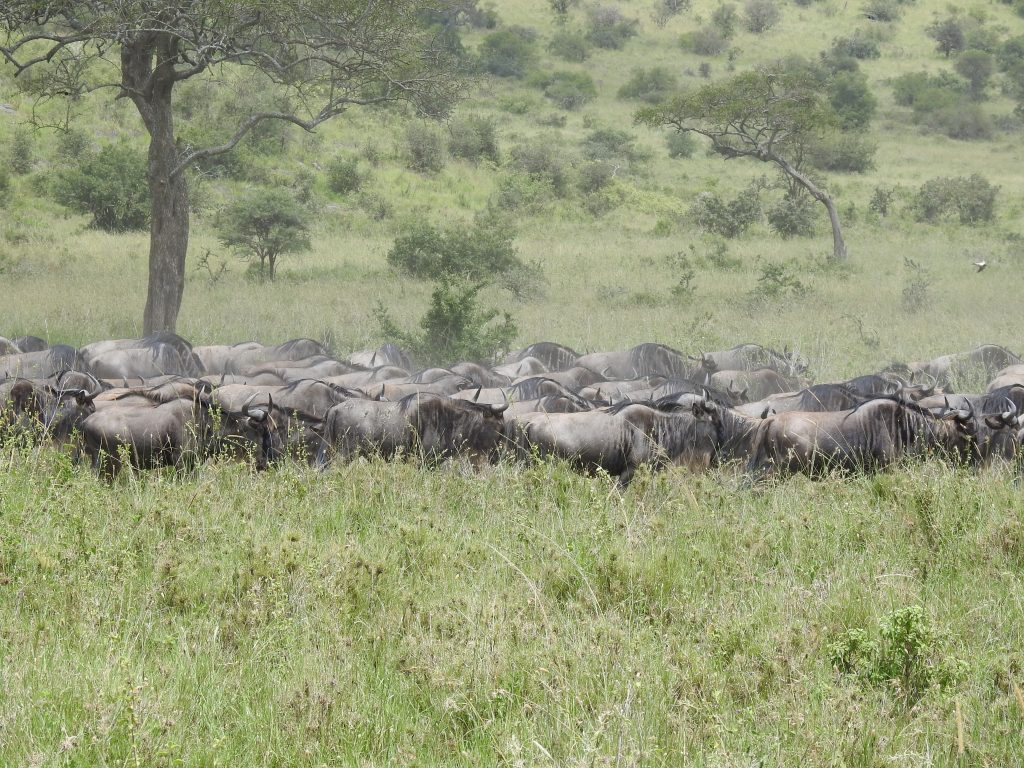
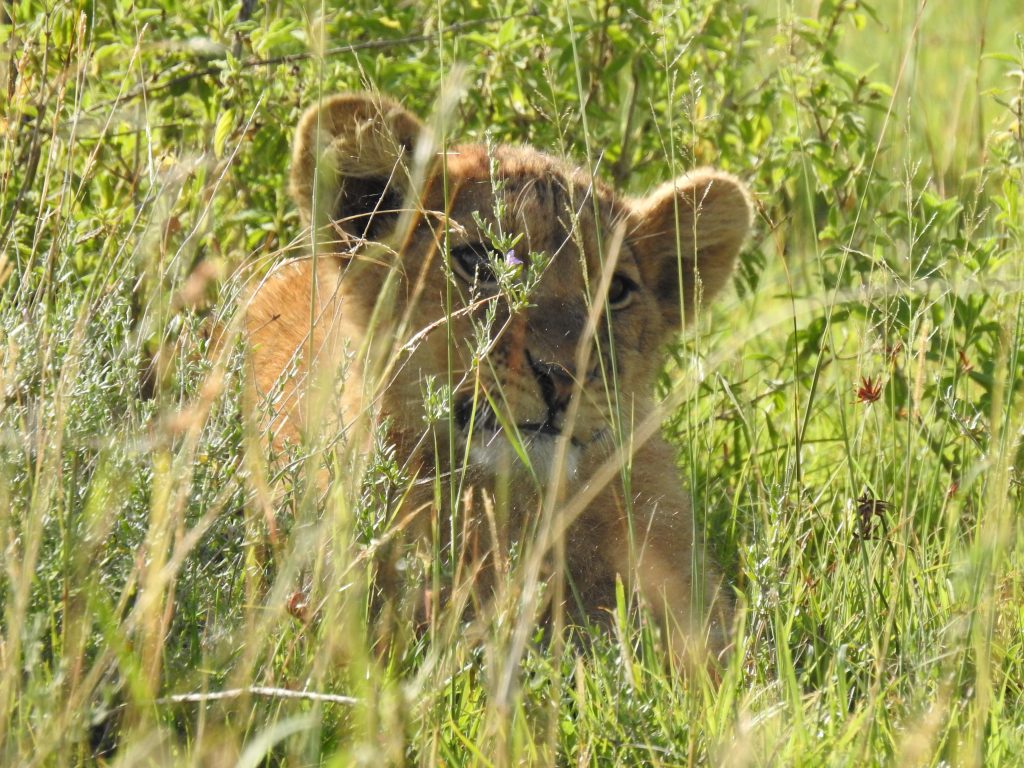
Serengeti has a vast number of various animals living there. It is one of the greatest wildlife destinations on Earth. One of the most famous animals here are the wildebeest. Their yearly migration is one of the things that make Serengeti so unique and popular. You have a chance of seeing all of the Big Five thanks to some black rhinos. However, the black rhinos are quite rare. The park is also known for its predators, especially its lions, and its birdwatching opportunities. There are over 500 bird species living here.
Seronera & the South
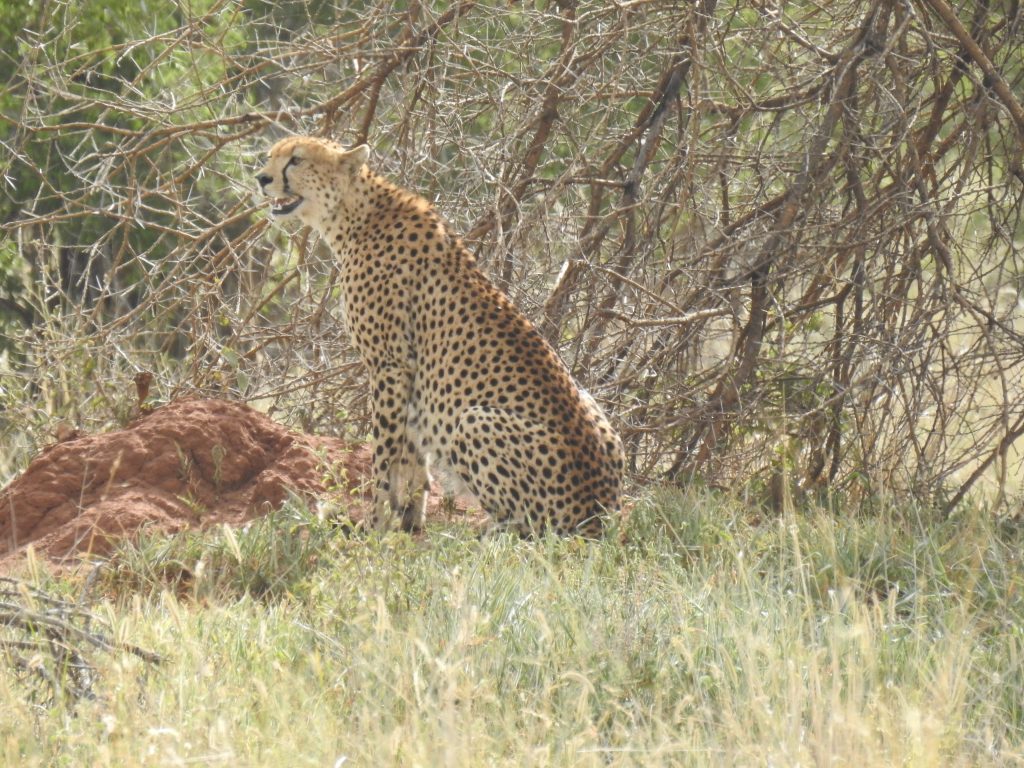
This park is easily accessed from Arusha and Mwanza. This part of the park is great for seeing wildlife. Around 300 lions live here as well as many leopards and cheetahs. Seronera is great for watching wildebeest during the wet season. It also has a great mixture of scenery and habitats.
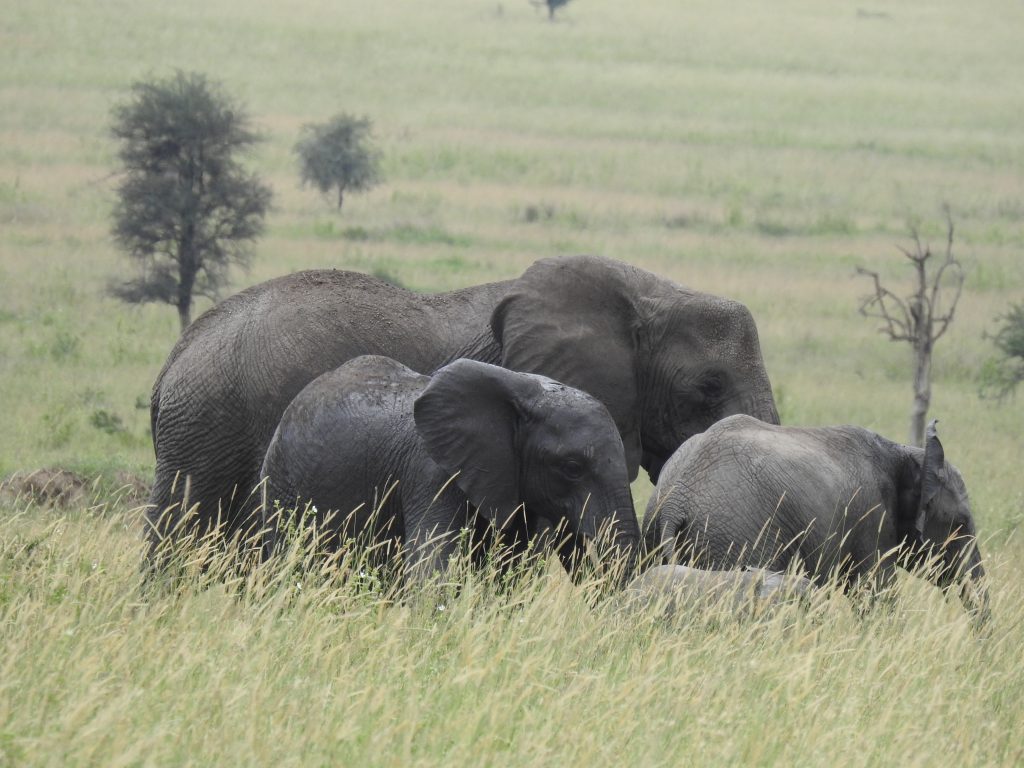
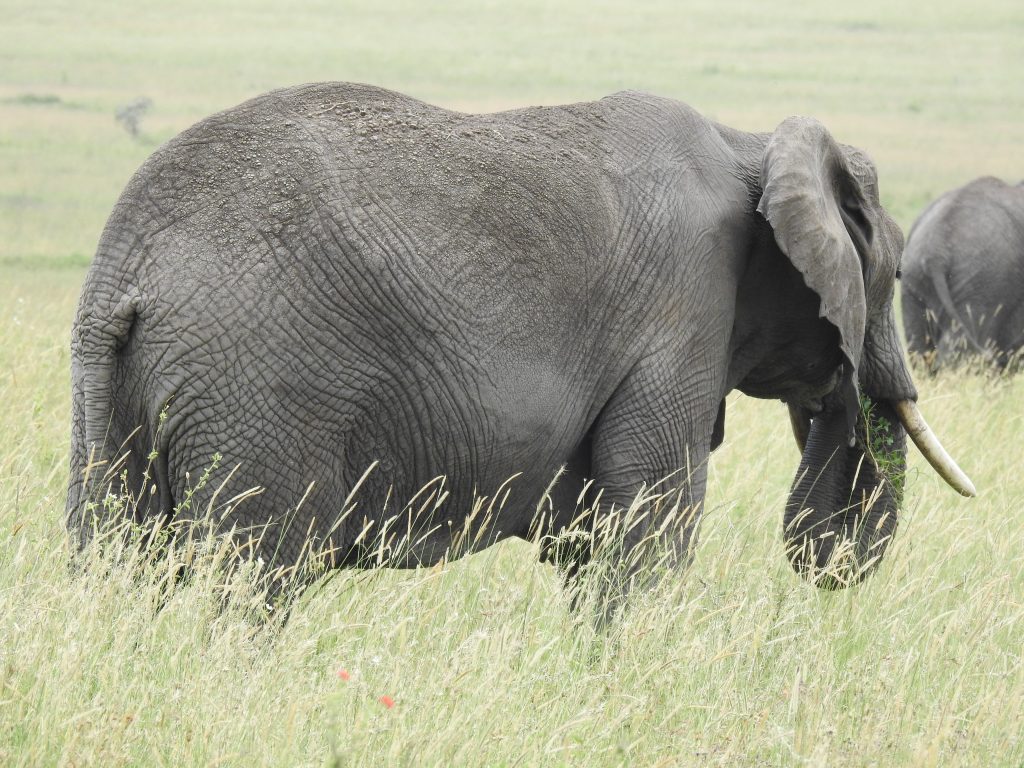
Another key part of Seronera is the Seronera River, which is what a lot of safaris focus on. The plains west of the Seronera river are amazing if you want to see elephants, spotted hyenas and cheetahs.
Grumeti and the Western Corridor
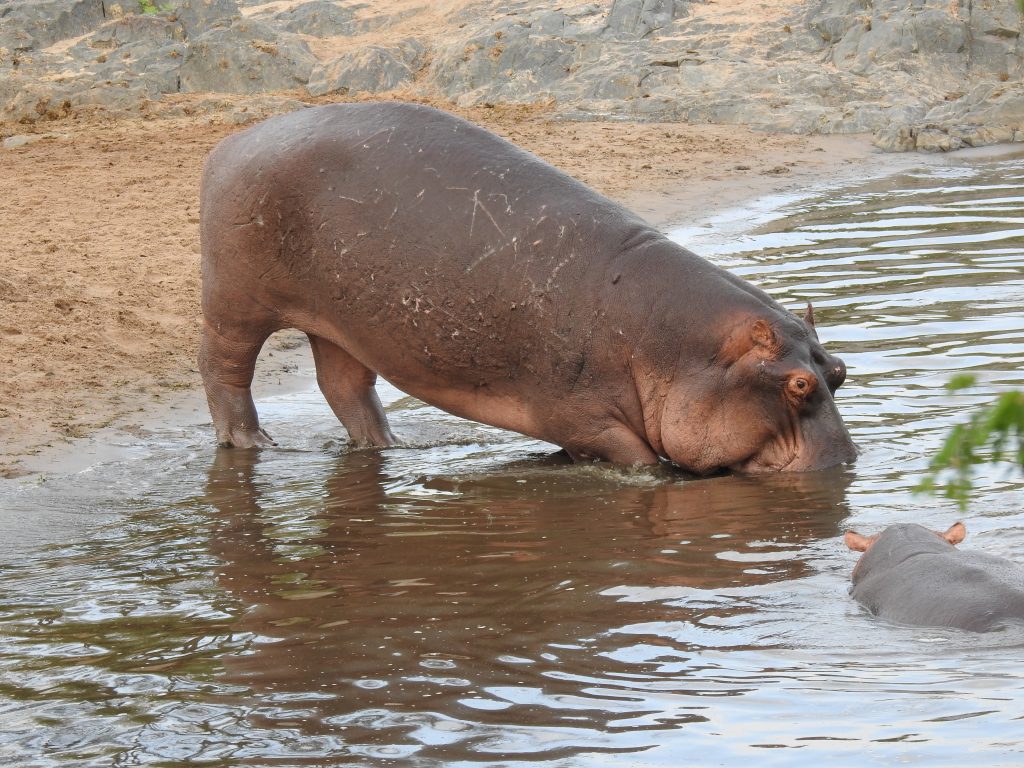
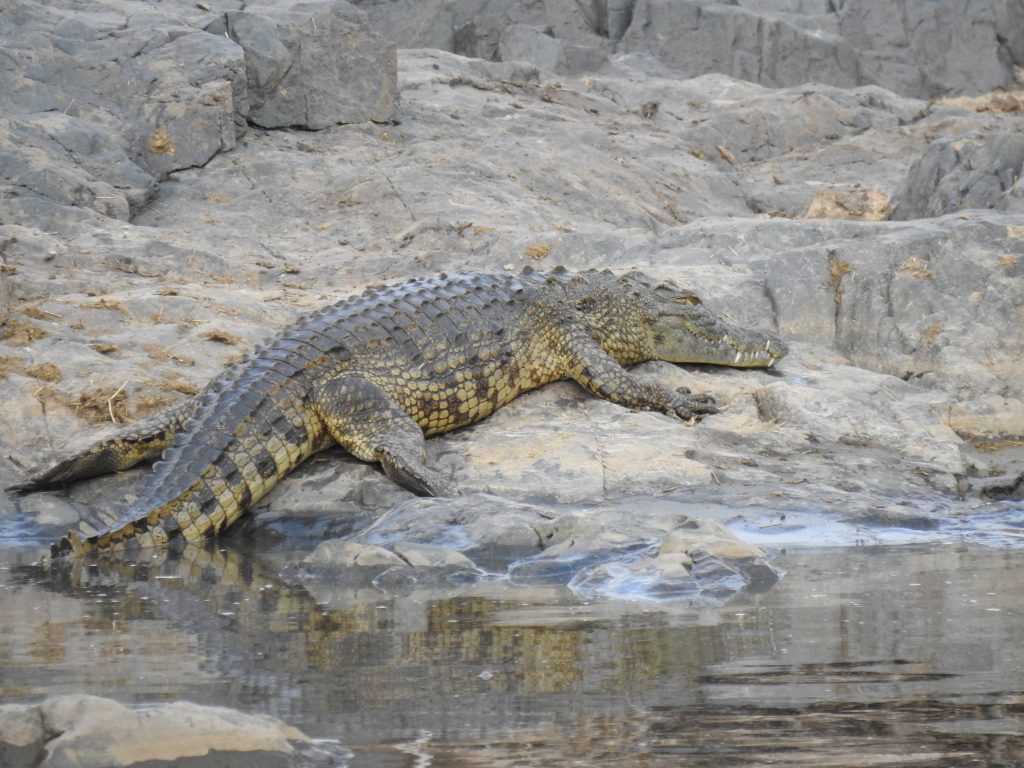
The herd migrations usually pass through here. It is also home to the Grumeti River. When animals aren’t migrating, there are many lions and leopards around the river. The river is also full of hippos and giant crocodiles. There are lots of other places that you can visit here, such as the Kitunge Hills and the Ruana Plain.
Central Plains
This is not the best place to see wildlife, apart from when it is migration season. However, it is still worth visiting while you’re on your journey elsewhere. It is a wonderful area full of nature.
Mara River & the North
The north of Serengeti doesn’t receive many visitors in comparison to Seronera and the south. Elephants usually congregate here in the dry season and animals pass through this area during migration. In this part of Serengeti, you can find the Bologonya Hills, Bologonya River, Nyamalumbwa Hills and Mara River.

Lake Manyara National Park
What can I do here?
- Bird watching
- Walking safari
- Wildlife drive
Overview
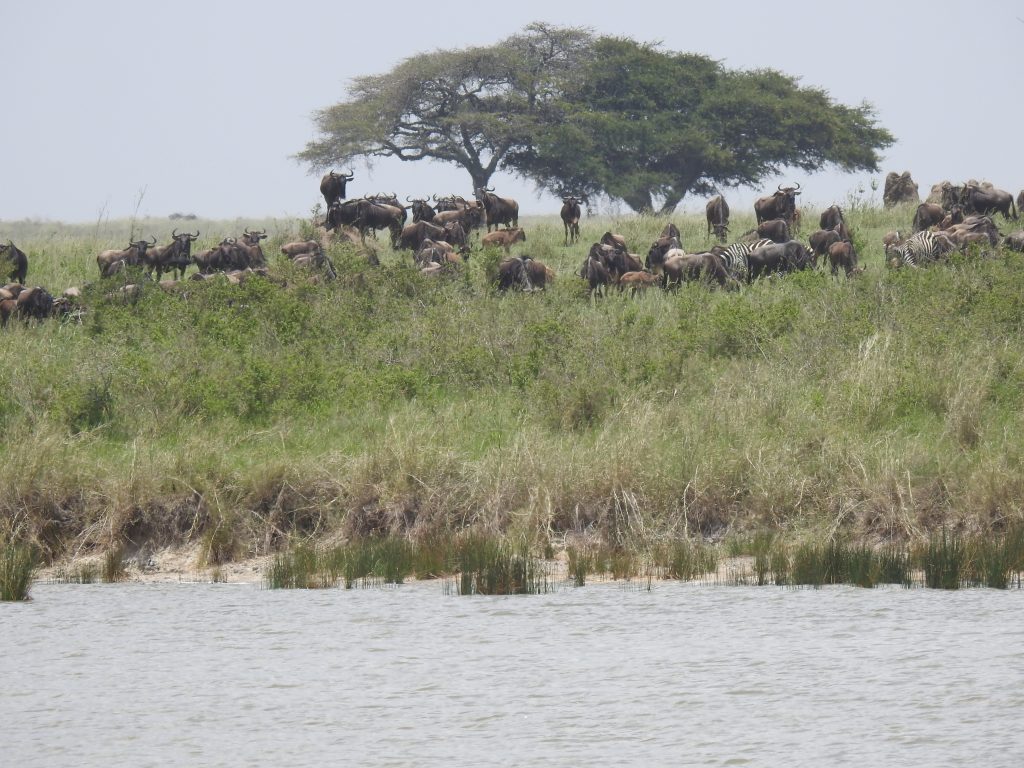
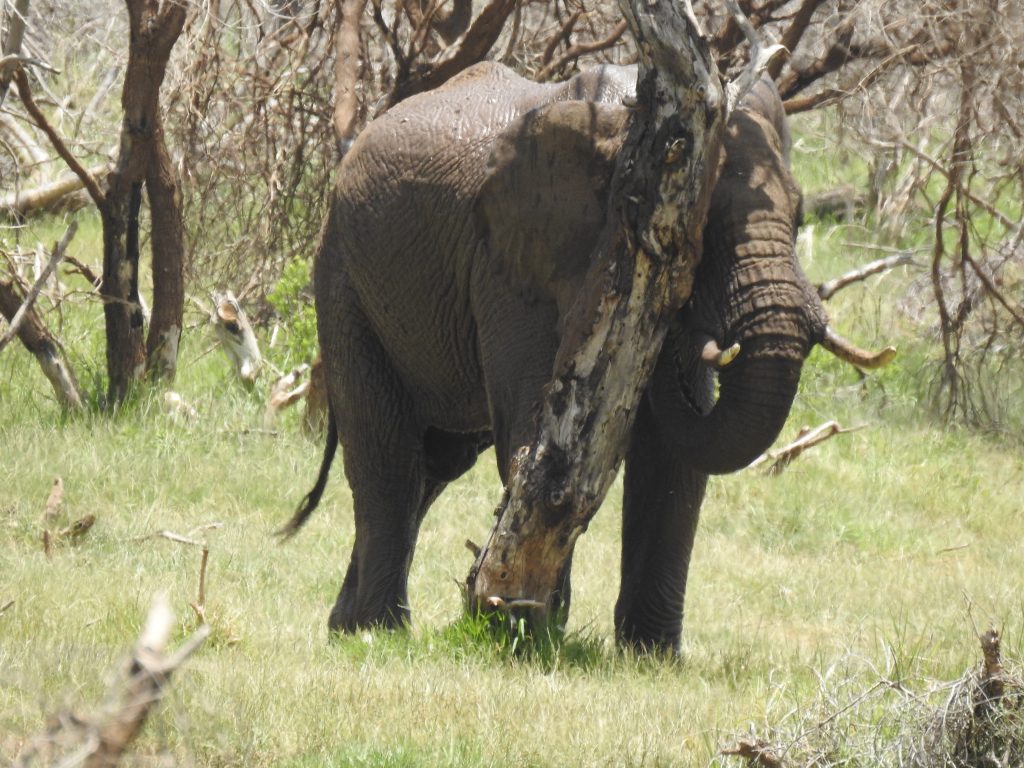
Lake Manyara is a smaller and less popular park. It may not be big, but it still has a wide range of vegetation. It also has a high biomass density of large mammals. Here, you can see groups of elephants and tree-climbing lions which is one of the things that make it most popular.
To the west of the park, you can see the Rift Valley and to the east you can see Lake Manyara. You can see all sorts of birds, including flamingos, during the dry season.
Wildlife drives
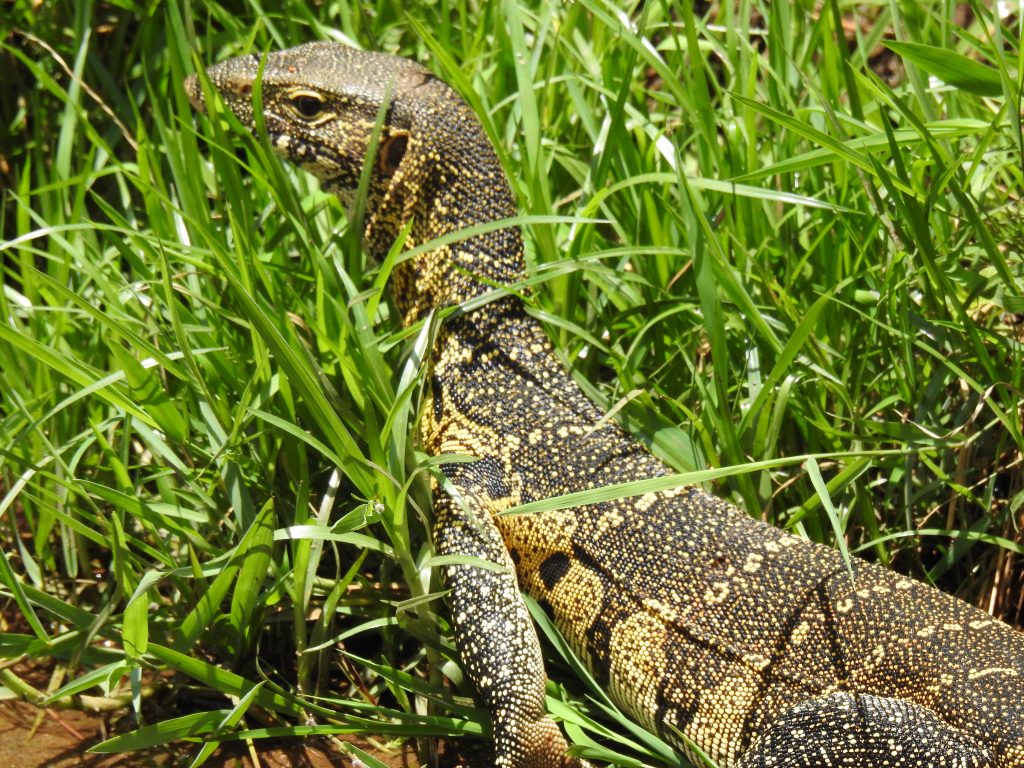
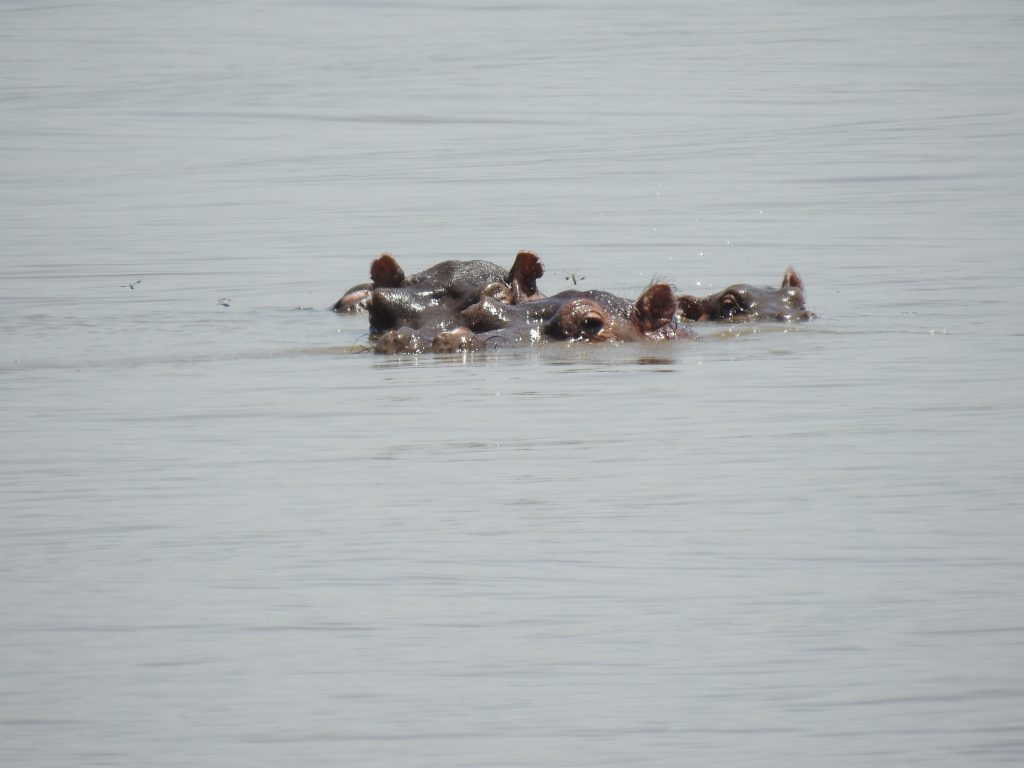
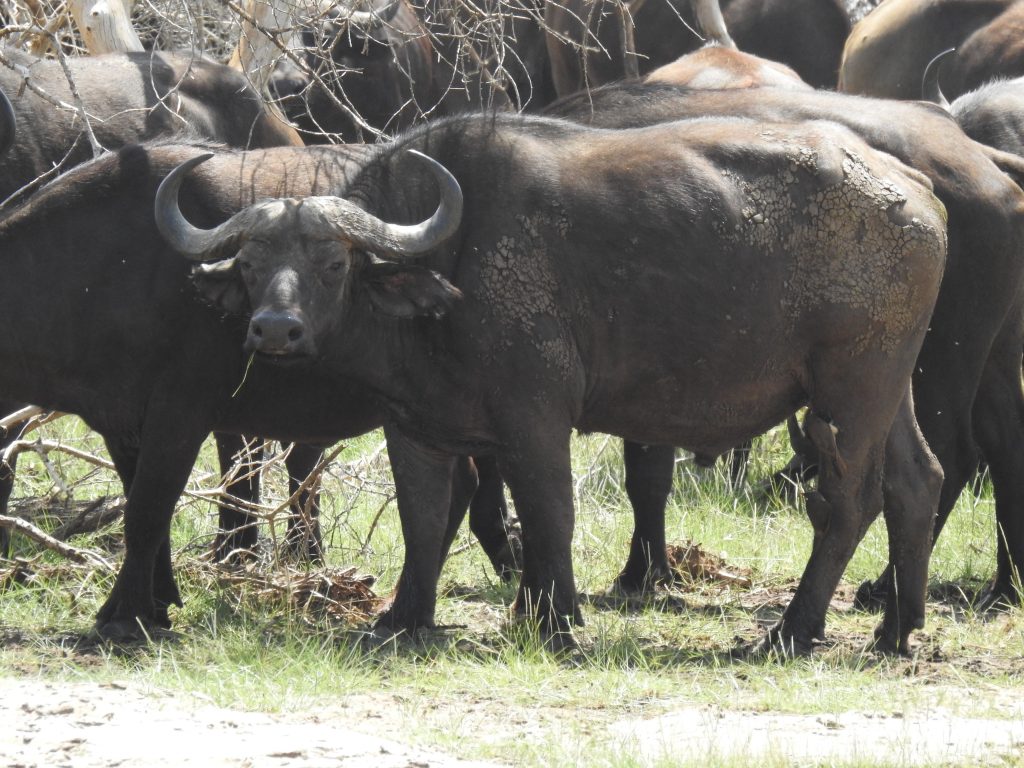
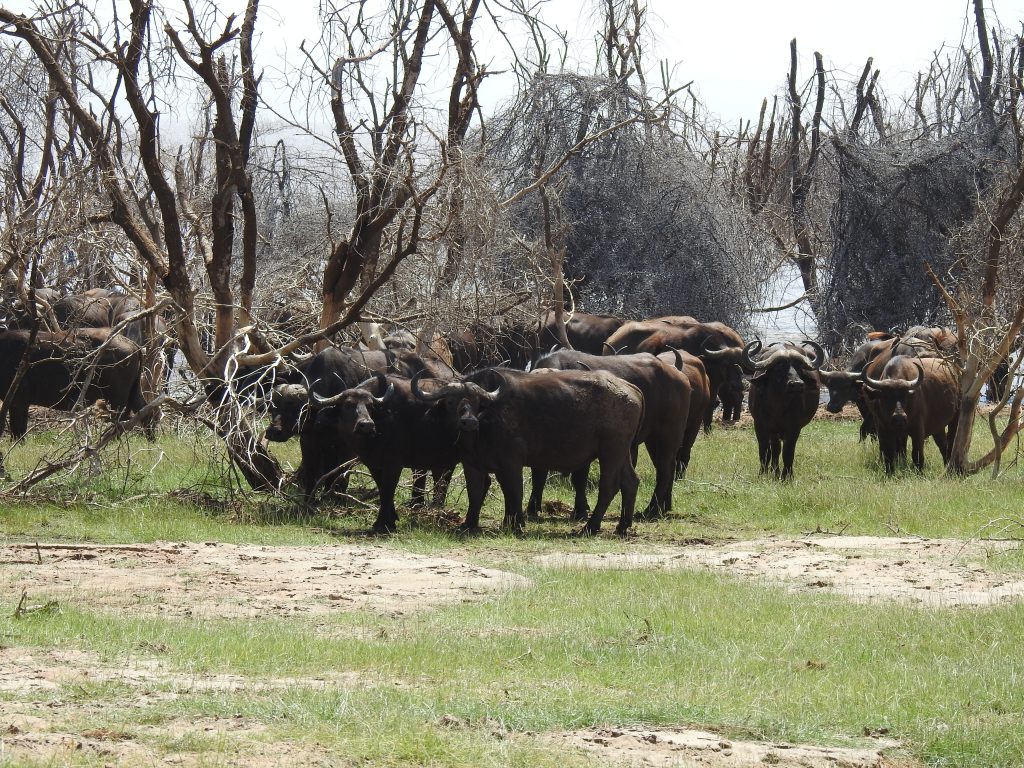
Inside the park, you can see many things on a wildlife drive such as a hippo pool, wildebeest, buffaloes, zebras, elephants and arboreal lions. Lake Manyara is one of few parks that allow anyone to go on night drives.
Walking safari
If you want to take a walking safari, then you will be accompanied by an armed ranger. If you are a hiker and you want to get to the start of a trail, then you will have to walk there.
Trails
- The Msara Trail: This trail is closest to the gate and it leads to a viewpoint that is perfect for birdwatching
- Lake Shore Trail: On this trail, you are most likely to see large mammals and flamingos. It goes through the savannah and acacia woodland
- Lyambi River Trai: This trail is good for birdwatching and you also have a chance to see some mammals

Mkomazi National Park
What can I do here?
- Black rhinos safaris
- Game drive
- Bird watching
- Walking safari
Overview
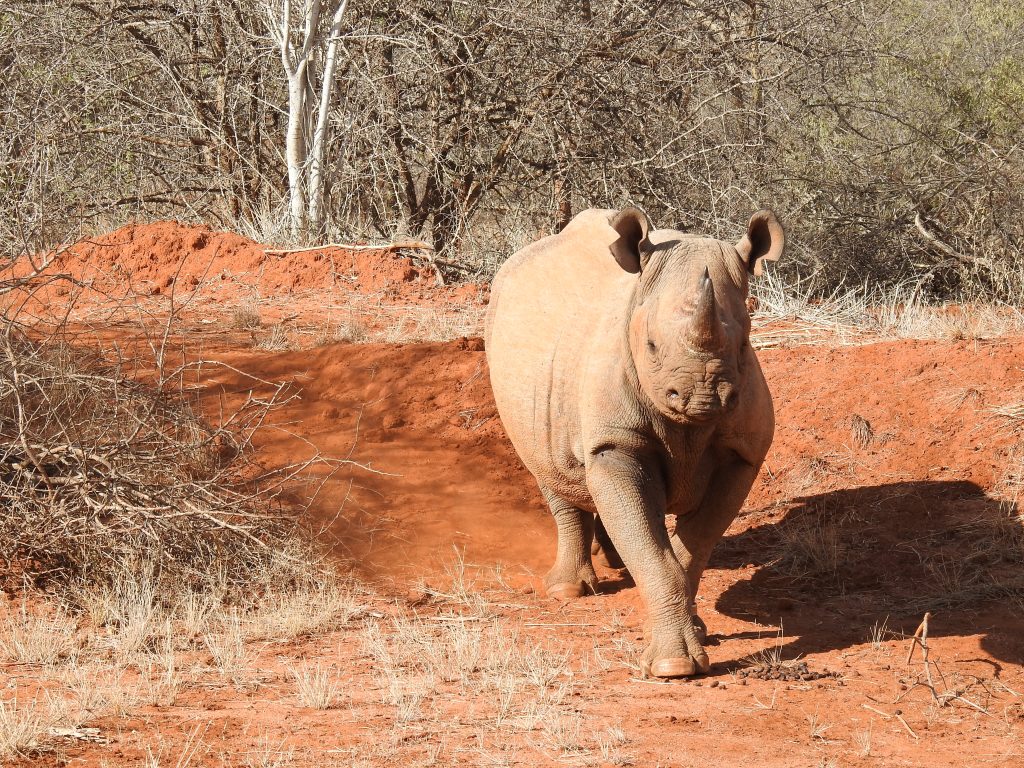
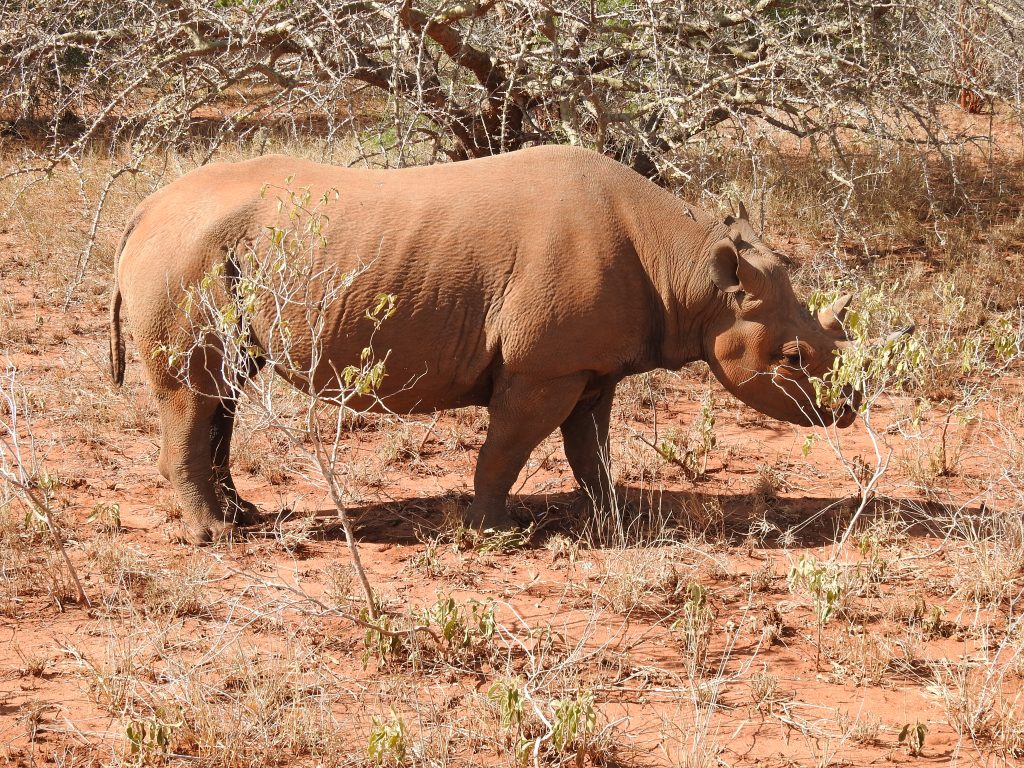
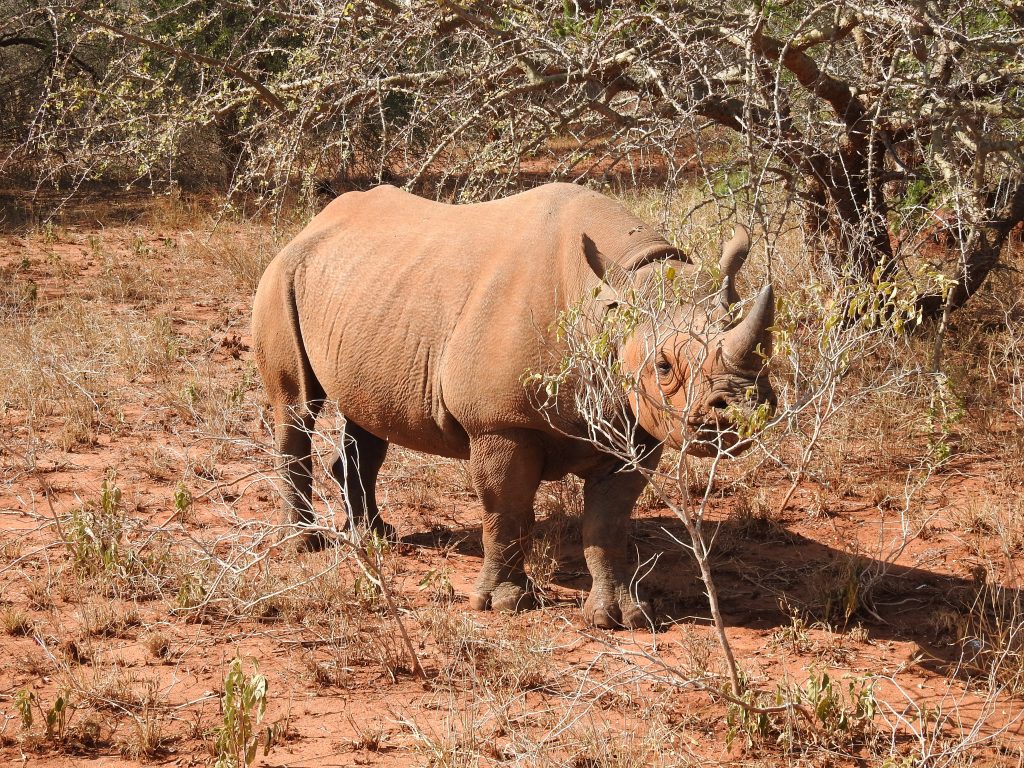
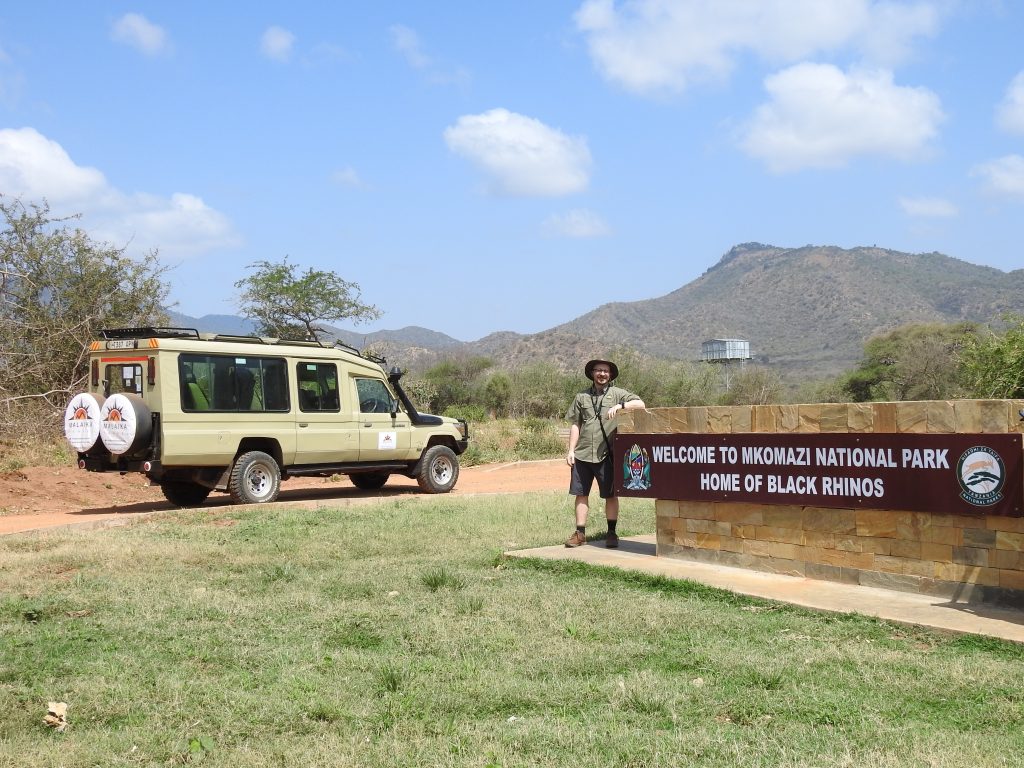
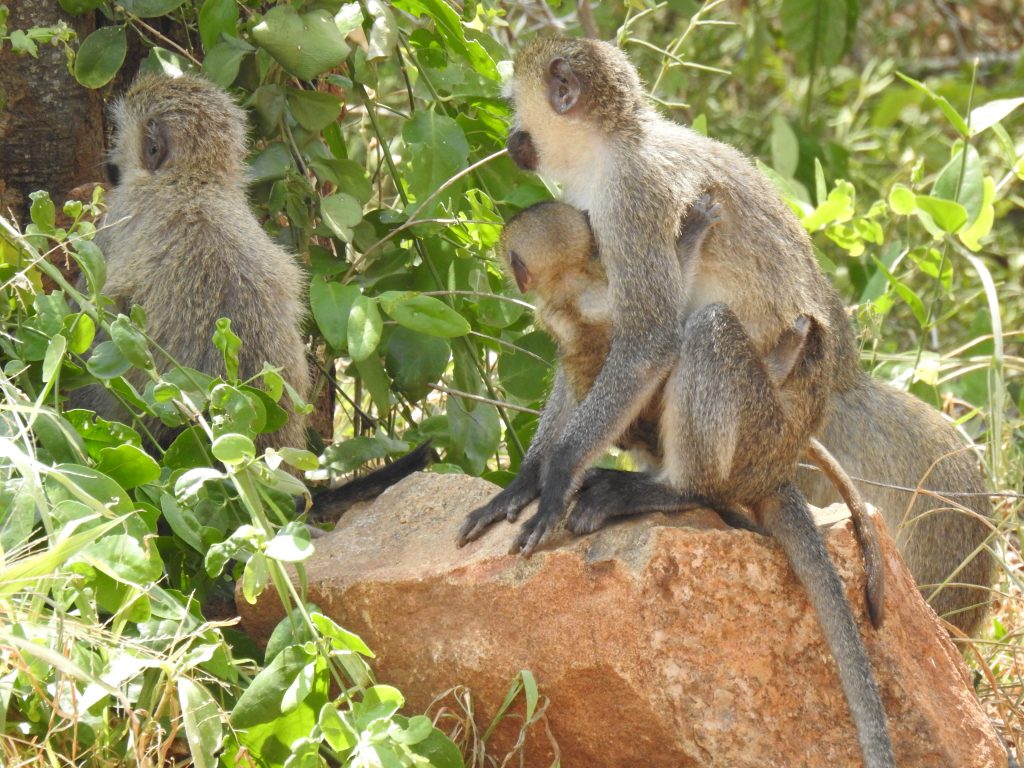
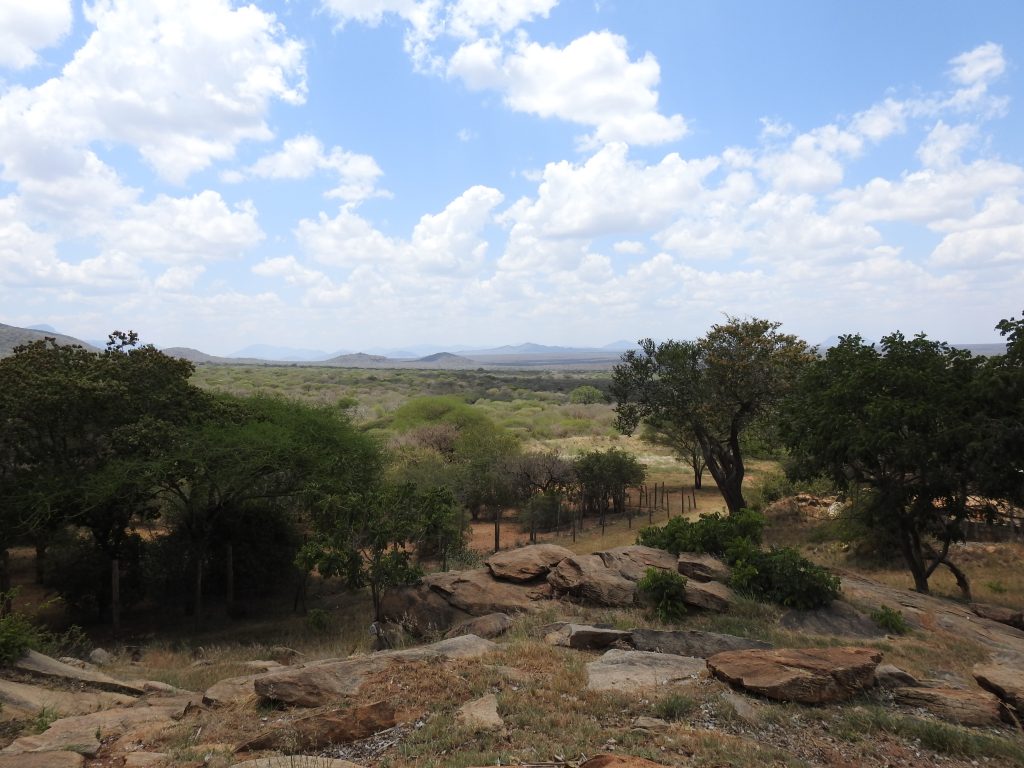
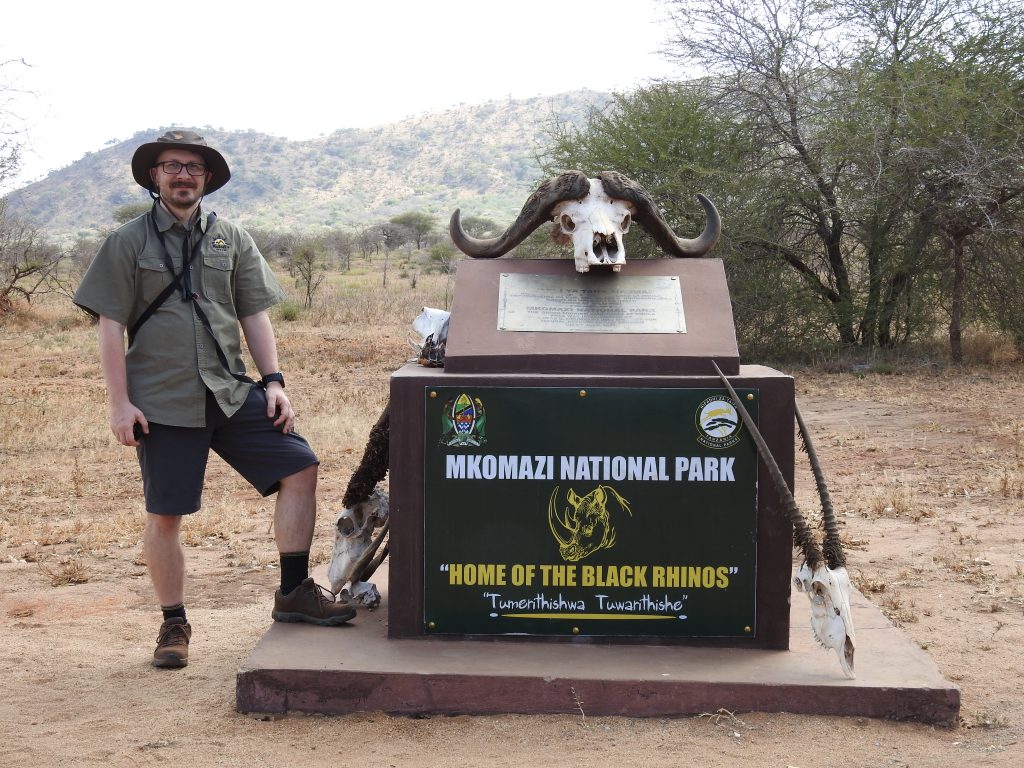
Mkomazi National Park is a beautiful park mainly known for its black rhinos. You can also see views of Mount Kilimanjaro from here. Tsavo National Park in Kenya shares a border with Mkomazi which means that lots of migratory herds come here. Mkomazi and Tsavo together make an ecosystem which is one of the largest and most important in the world. Mkomazi is not very popular with tourists so it is always low season.
Black rhinos
Mkomazi is known for its black rhino sanctuary. The black rhinos usually only sleep during the hottest parts of the day and they spend the rest of their time grazing, eating or enjoying a cooling mud soak.
Lake Natron
What can I do here?
- Climb Ol Doinyo Lengai
- Visit the lake
- Visit the waterfall
- Wildlife drive
Overview
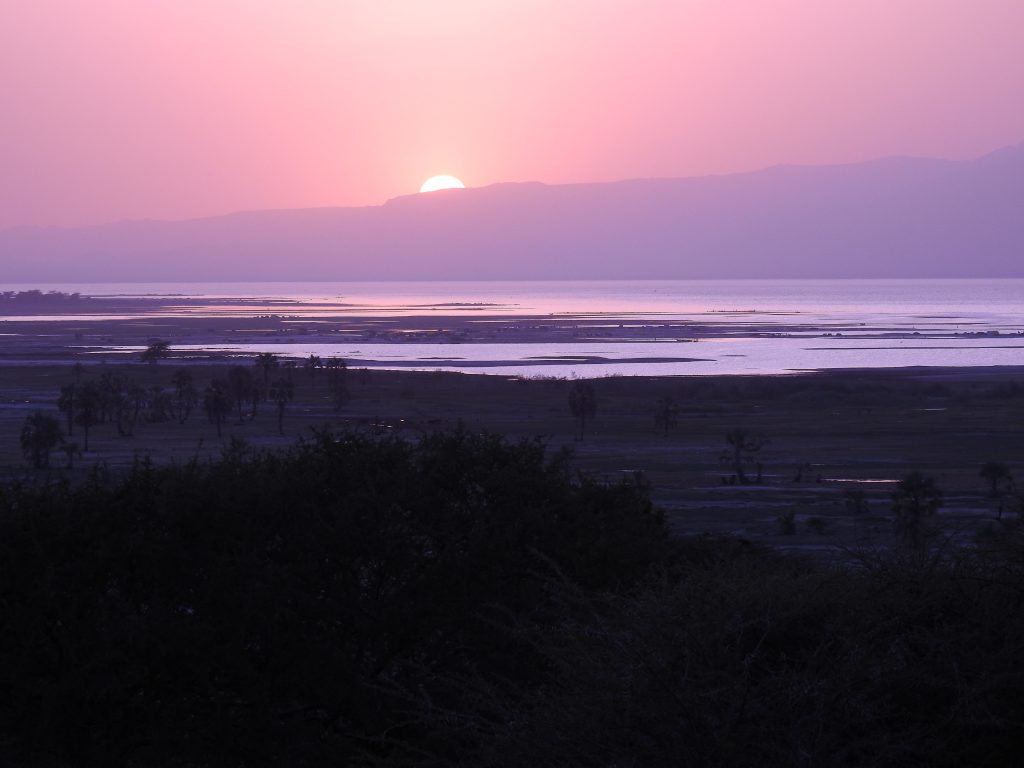
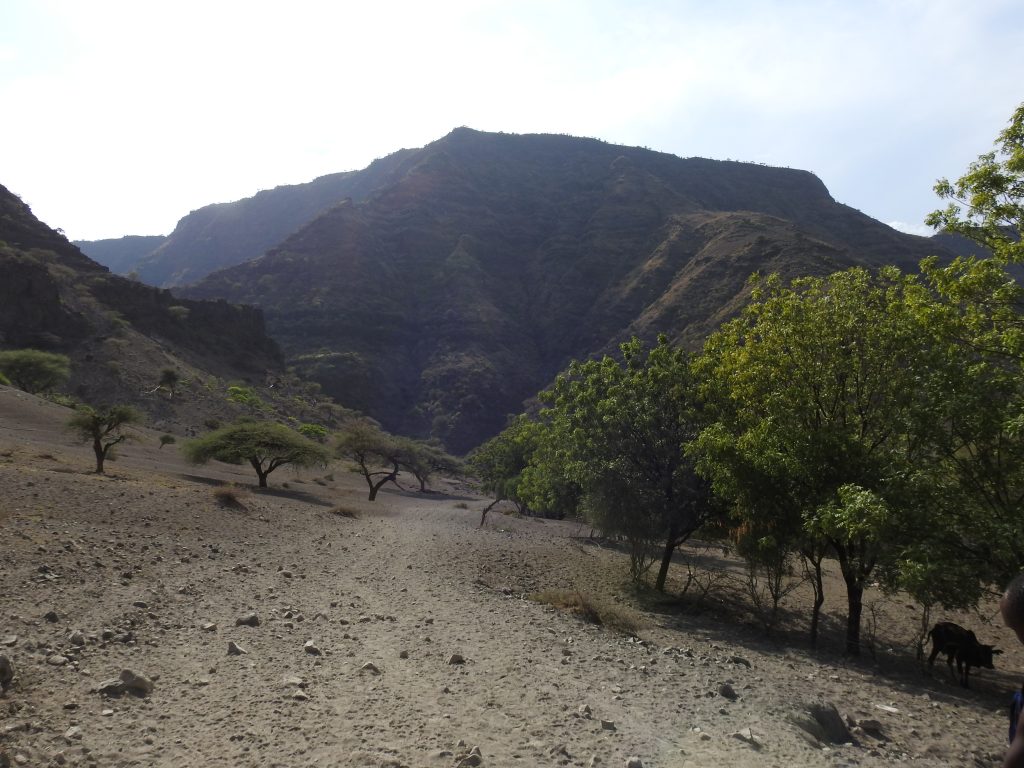
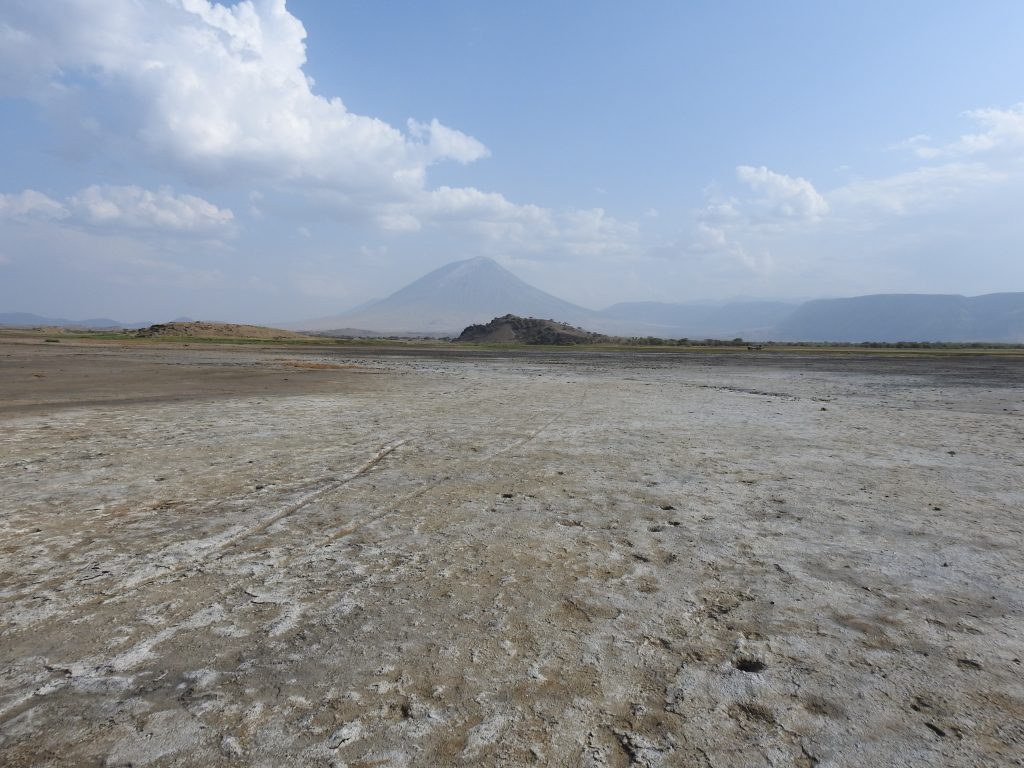
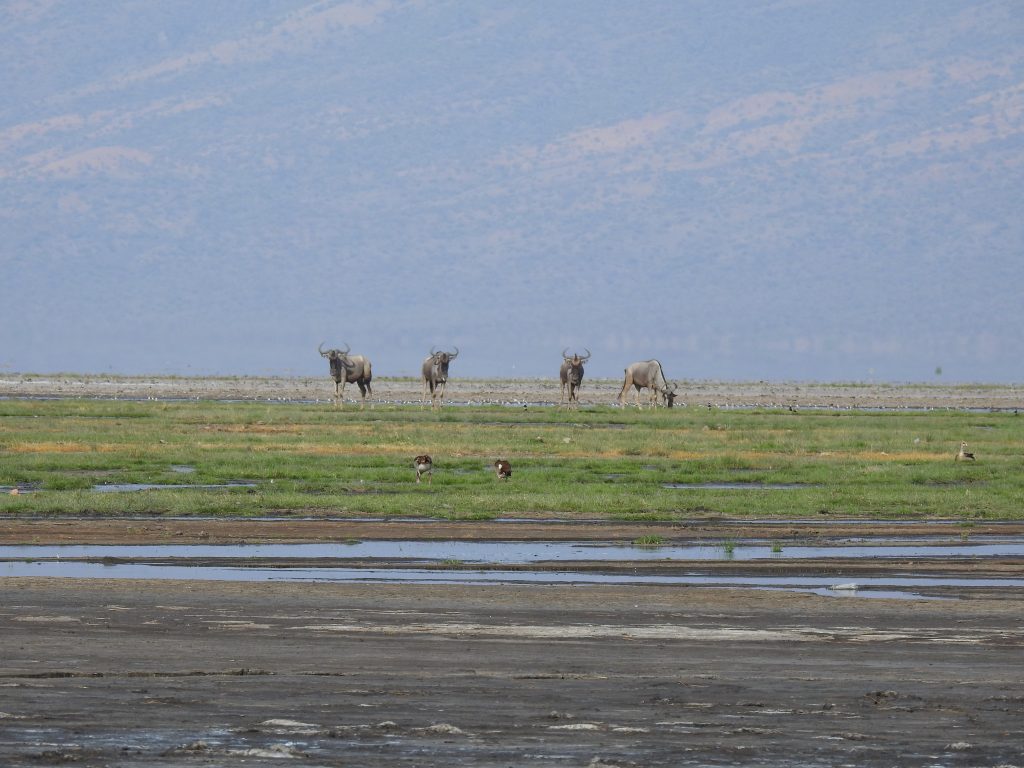
This stunning alkaline lake near to the border between Kenya and Tanzania is known for its beautiful scenery and the volcano Ol Doinyo Lengai. You can also spot many fascinating animals on a safari drive. On this drive, as well as watching the animals, you will also drive through Maasai land and mountains. Lake Natron also has a mysterious ability- turning animal corpses into stone.
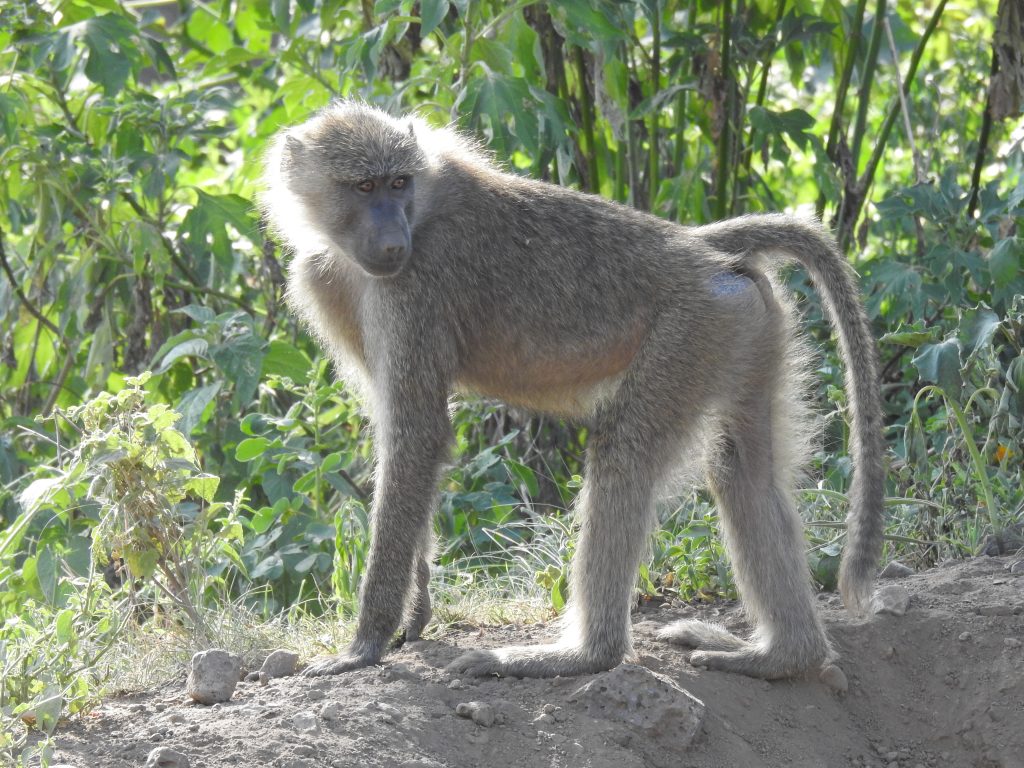
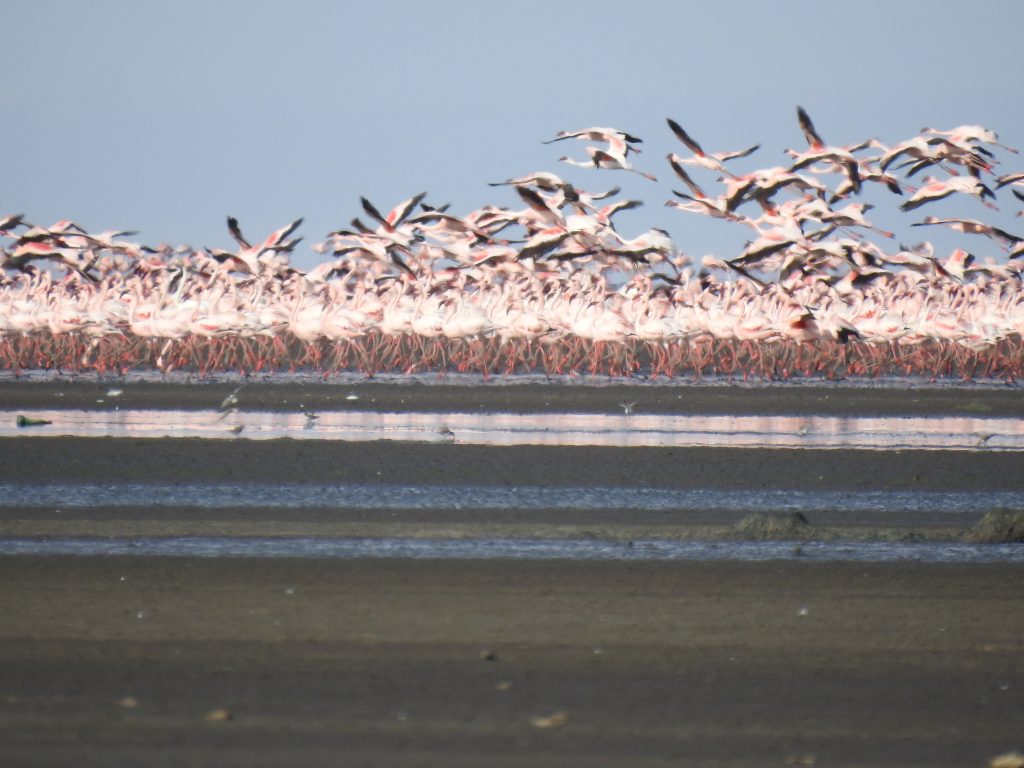
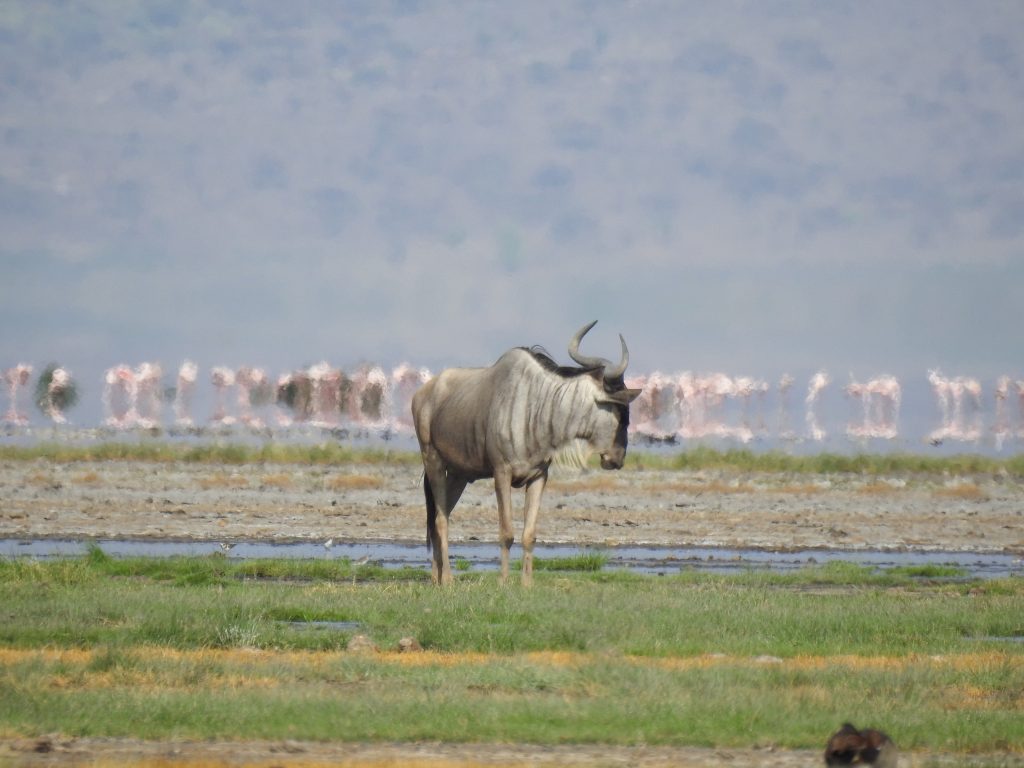
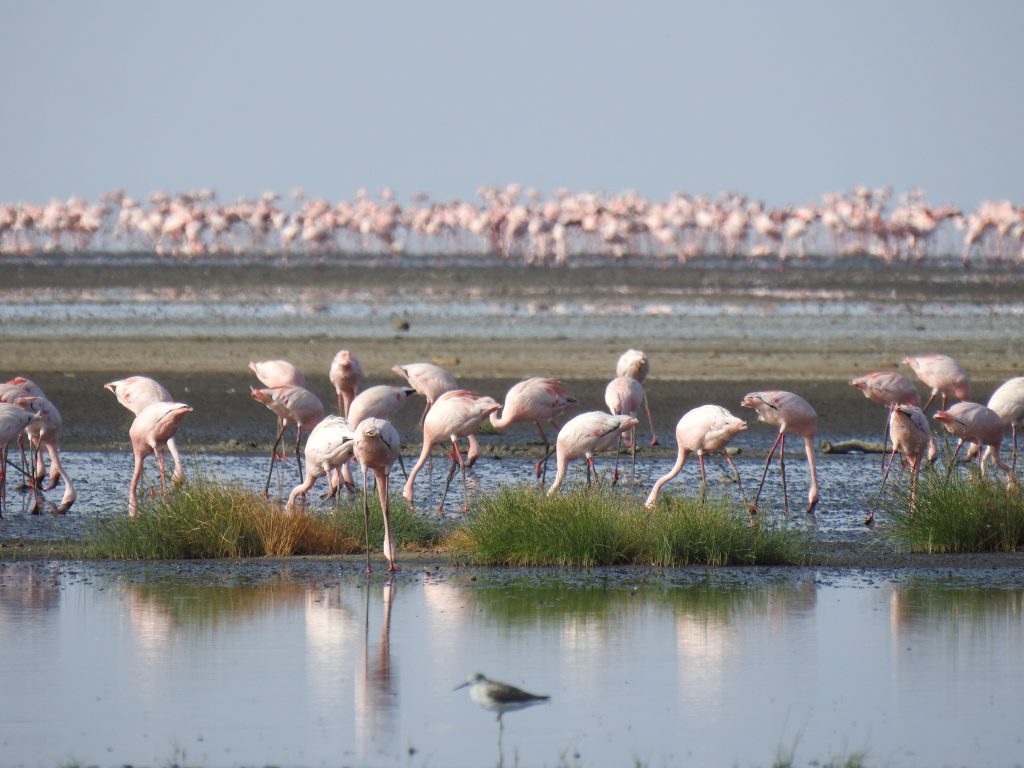
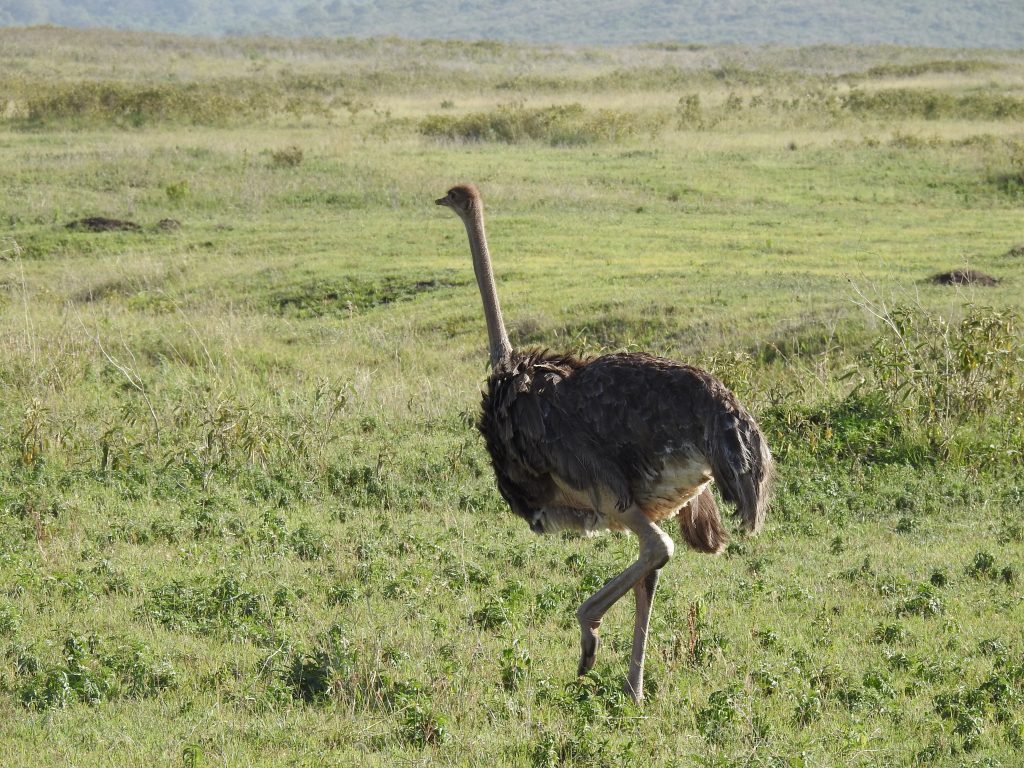
At Lake Natron, you can find animals such as zebras, flamingos, ostriches, giraffe, leopards, klipspringers, baboons and various birds.
Ol Doinyo Lengai
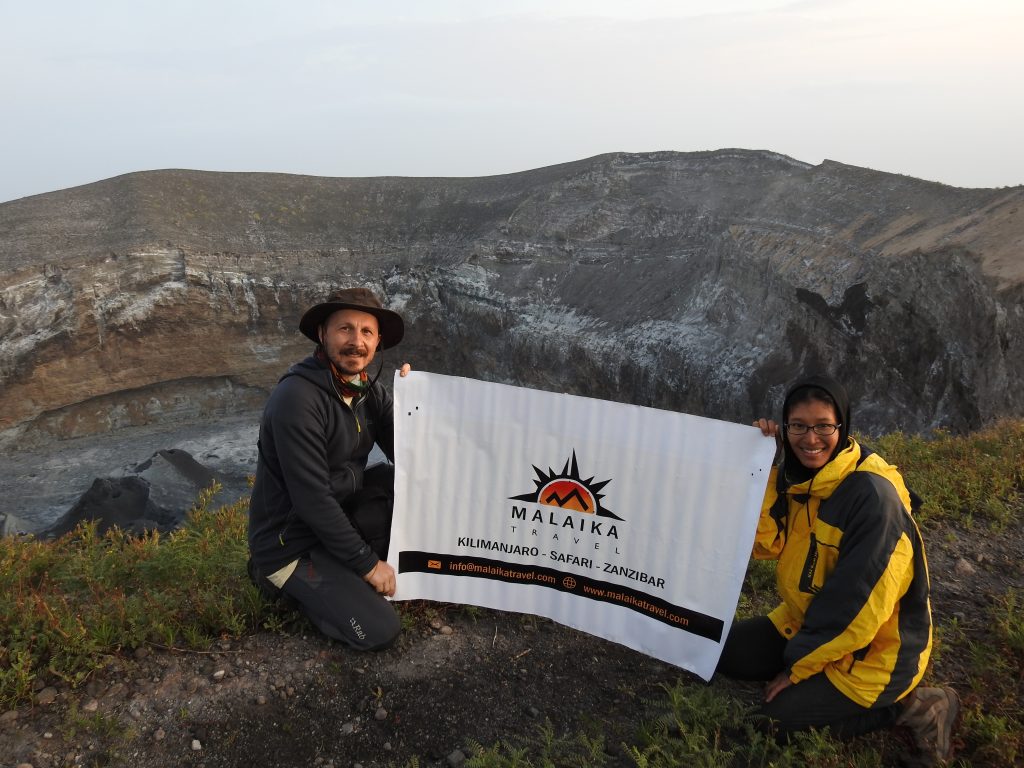
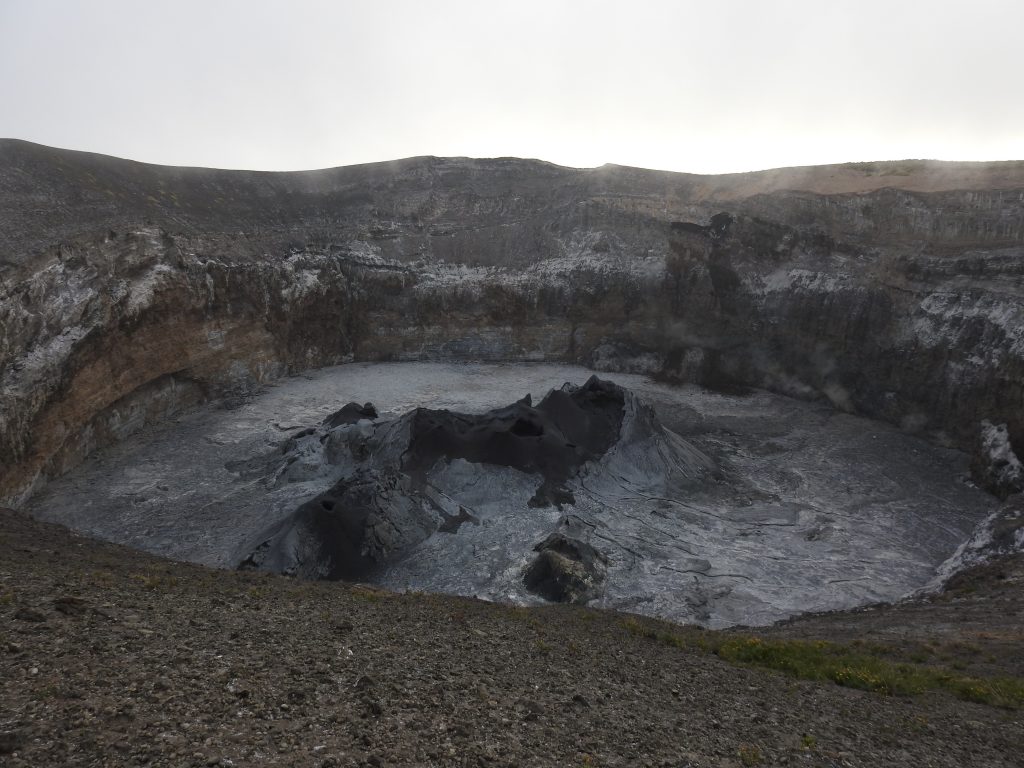
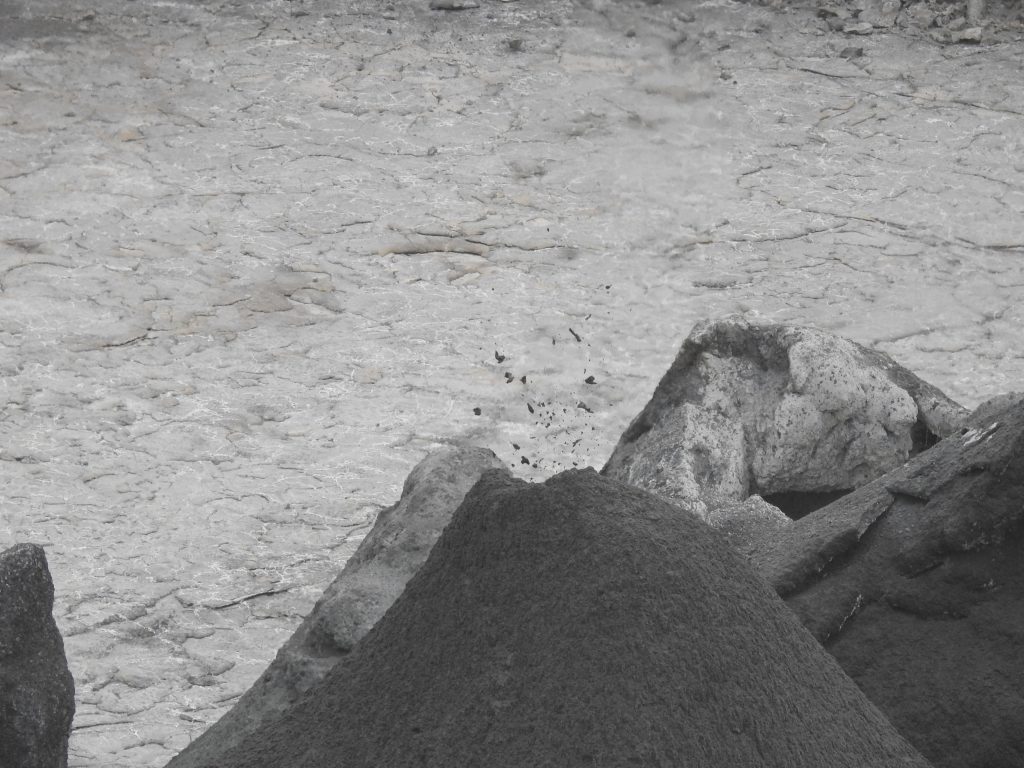
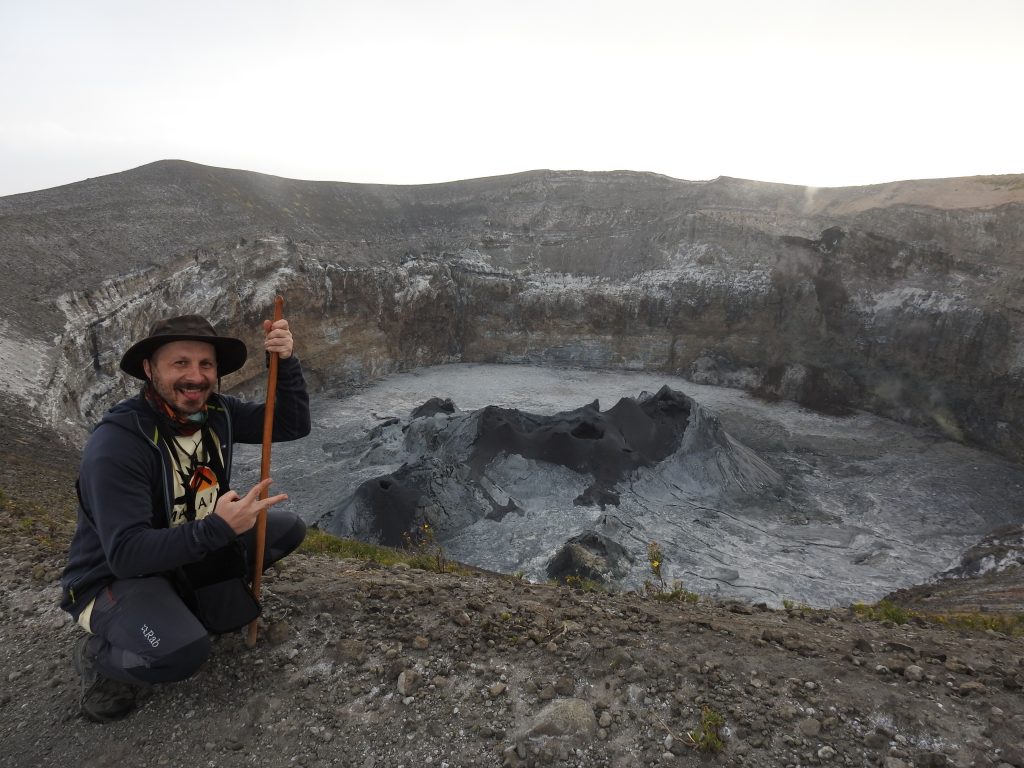
Ol Doinyo Lengai is an active volcano with a height of 2878m. Since it is still active, you can see hot steam vents and growing ash cones in the crater. Climbing this volcano is not easy, but it is extremely beautiful.
You can usually manage this climb in one day if you start at midnight in the base village of Engaresero. You will be back around mid-morning. This climb is difficult but most people believe that it is worth it because of the sunrise views, escarpment and more.
There are a few tips for ascending the volcano, such as bringing a helmet. Baboons above you frequently knock down gravel and sometimes even large stones. Despite it being more of a trek than a climb, it can be very steep at times and loose ash makes the journey tricky. For some, the descent can be even more challenging than the ascent.
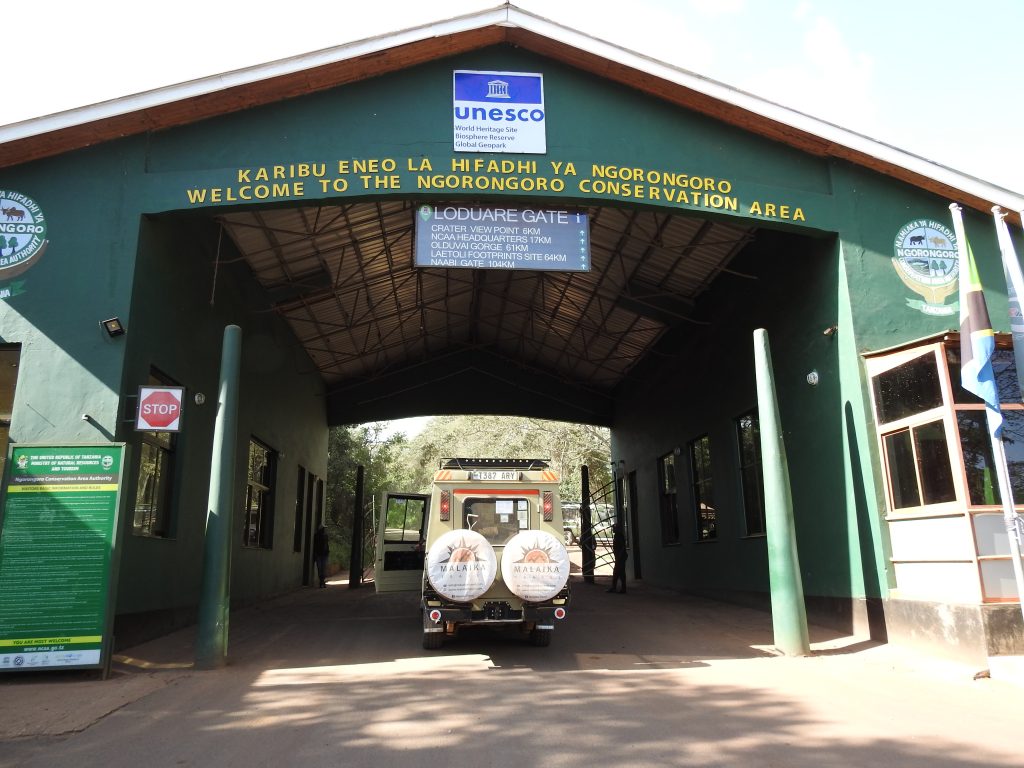
Ngorongoro Conservation Area
Ngorongoro is made up of 3 parts
- Ngorongoro Crater – best known for game drives
- Ngorongoro Highlands – best known for walking safaris
- Western Ngorongoro
Ngorongoro Crater
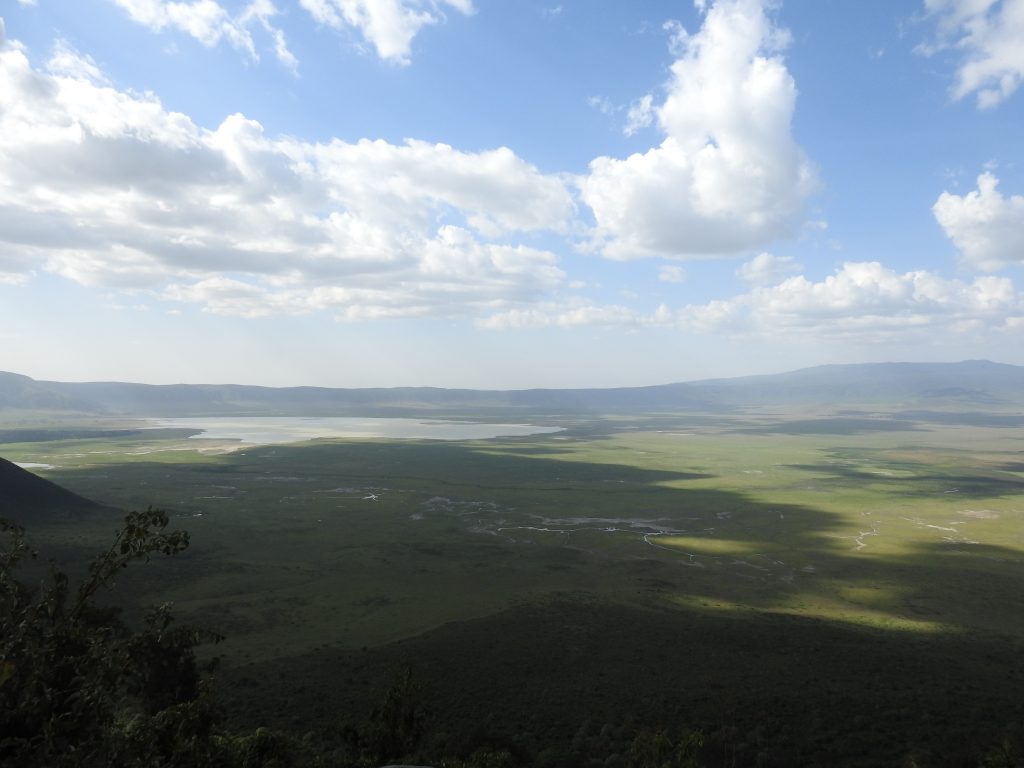
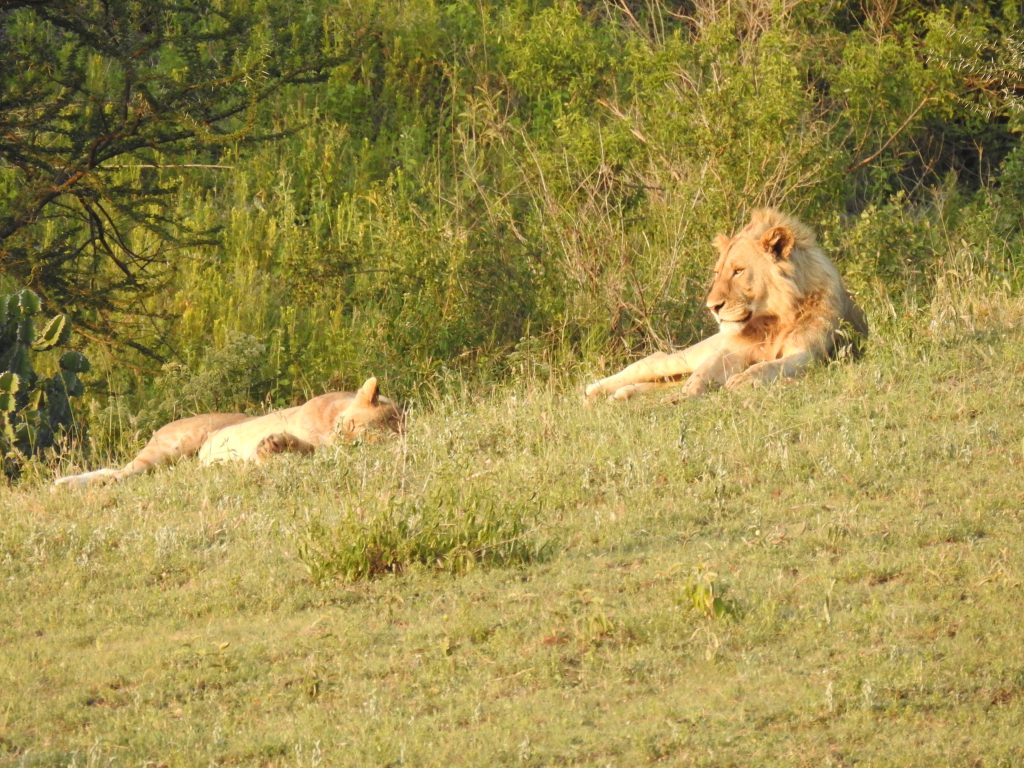
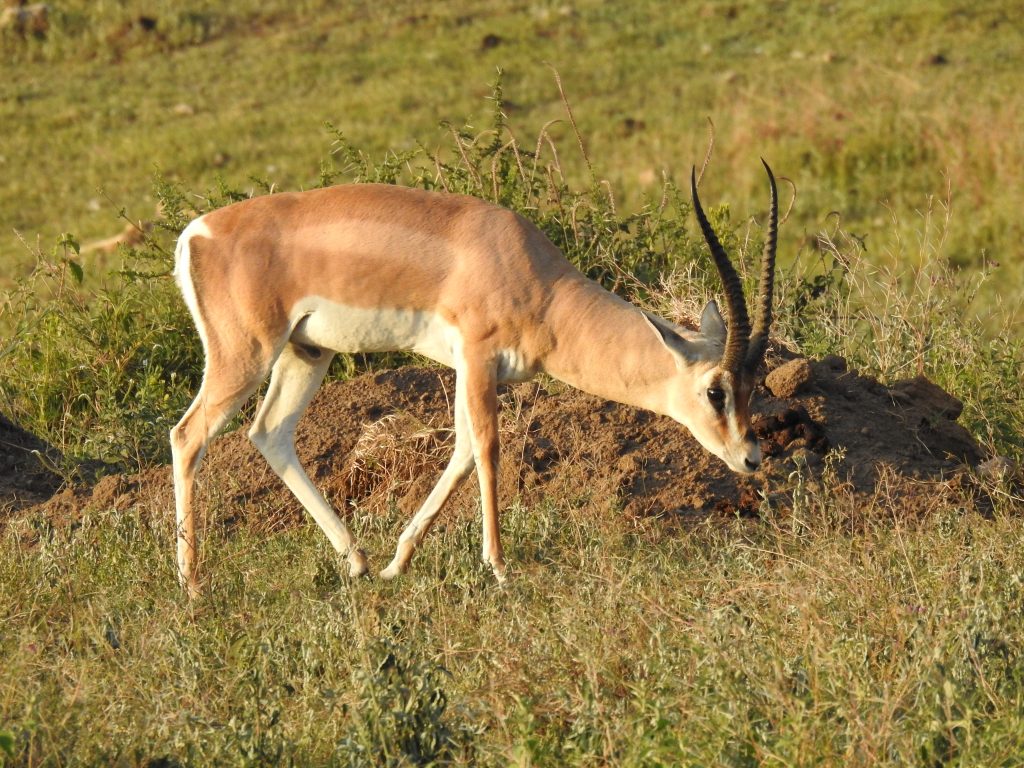
Ngorongoro crater is a famous, spectacular Unesco World Heritage site. It is mistakenly called a crater but it is actually one of the largest unbroken calderas in the world. You can get inside the crater to see a wide range of animals. There is a high chance that you will see the Big Five all in one day. The crater itself has an area of 260 square kilometres and the crater floor is surrounded by high walls that are up to 600m tall. The crater has the highest animal population per square kilometre and it also has the highest density of animal species in Tanzania. The rim of the crater offers stunning views and even though there aren’t many animals on the rim, you can still see amazing scenery as well as the Maasai people
Ngorongoro Highlands
Visiting the Ngorongoro Highlands is only available on foot due to the terrain and most of the gear is carried by donkeys during longer trips. This makes this place unique. The beautiful crater highlands make the Rift Valley even more interesting. The highlands are near several extinct volcanoes and some calderas. You can also see the Rift Valley escarpment towards the east of the park. There are also 2 craters- Olmoti crater and Empakaai crater.
- Empakaai Crater
Empakaai crater may not be as famous as Ngorongoro but it is still just as beautiful. Flamingos and water birds fill most of the crater floor. The crater floor is surrounded by cliffs that are around 300m high. The views from the crater rim are astounding, and the crater floor is just as good.
- Olmoti Crater
Olmoti crater is not as dramatic as Empakaai or Ngorongoro but it is still worth visiting it if you are on your way to the highlands. It is also not far from the Munge waterfall. The crater floor is shallow and it has the Munge river running through it.
Western Ngorongoro
- Oldupai Gorge
Here, you can see the plains reaching across to Serengeti, the Gol mountains in the north and more. As well as this, herds of animals like wildebeest, elands, topis, gazelles and zebras come here during their migration.
In these plains is a 48km long ravine known as the Oldupai Gorge. The Oldupai Gorge is sometimes referred to as the cradle of humankind. The incredible geological history of this place allows us to learn more about ancient life here.
You can also see shifting sands here. It is a dune made of volcanic ash from Oldonyo Lengai. Some of these dunes are about 9 meters high and about 100 m long. They shift about 17 meters per year.
- Laetoli
Laetoli is about 45km south of Oldupai Gorge. At Laetoli, you can walk along a 27m long trail full of archaeological hominid footprints that are approximately 3.7 million years old. There even is an Oldupai Gorge museum that opened in 2017.
- Gol Mountains
The Gol mountains are less popular than the other places in Ngorongoro. There aren’t many tracks other than those left by wildlife and traditional herders. This is one of the most traditional places in Tanzania. It is home to Maasai who still kill lions and live in a cashless society.

Ausha National Park
What can I do here?
- Climb Mount Meru
- Walking safari
- Day trips
- Bird watching
Overview
This park is usually less busy than parks like Serengeti since it doesn’t offer a chance of seeing the Big Five but it is still beautiful and it has many great birdwatching opportunities. It is great for climbing and it is amazing if you want to be somewhere with smaller crowds but amazing scenery. You can see Ngurdoto Crater, which is also known as Little Ngorongoro.
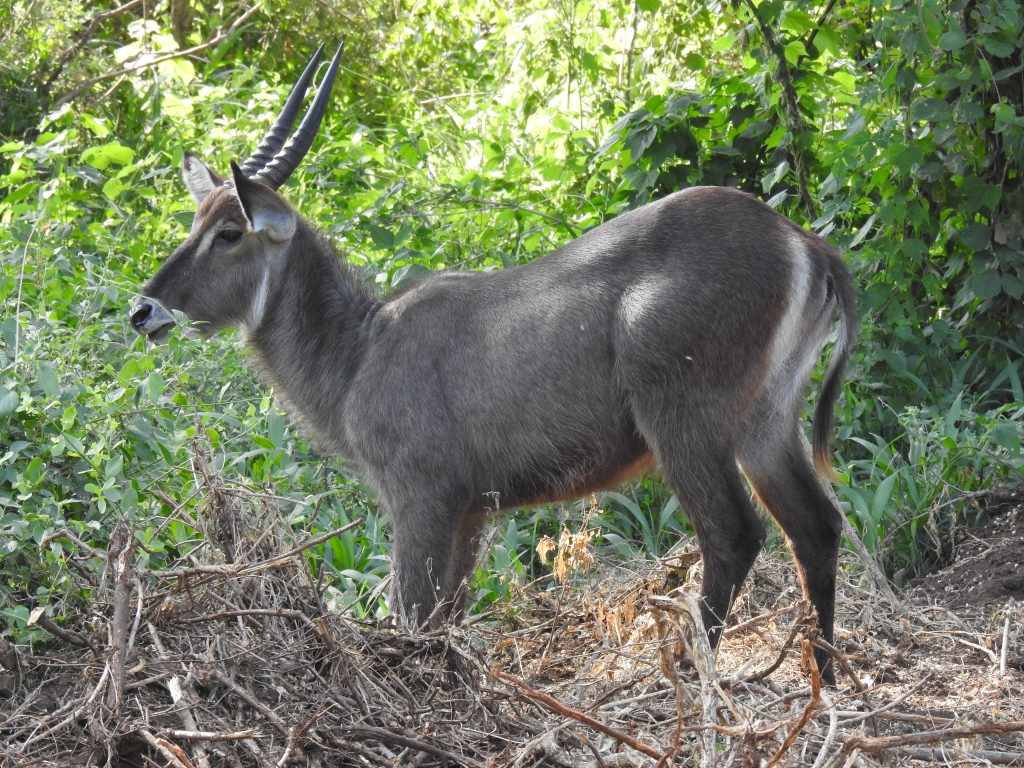
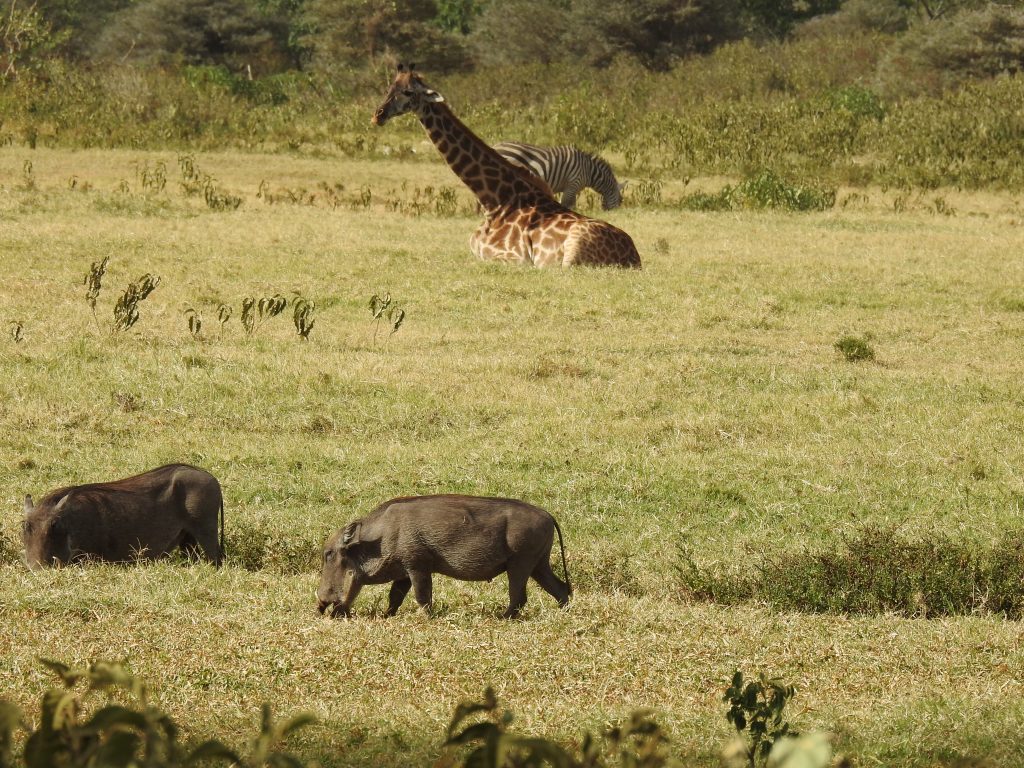
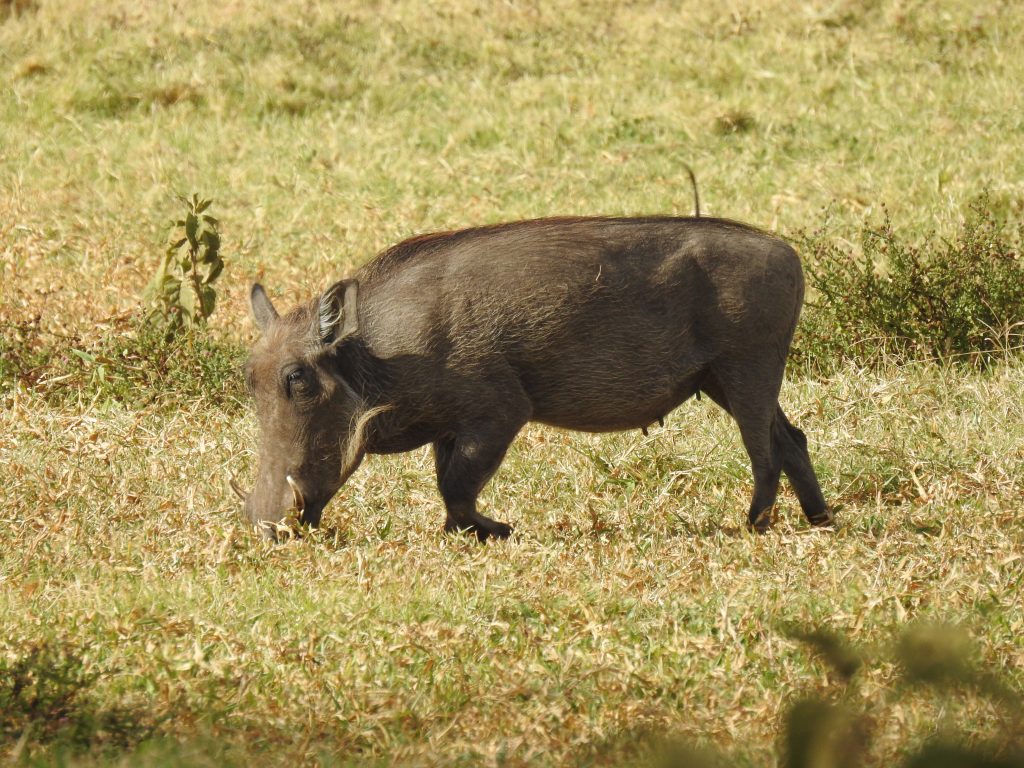
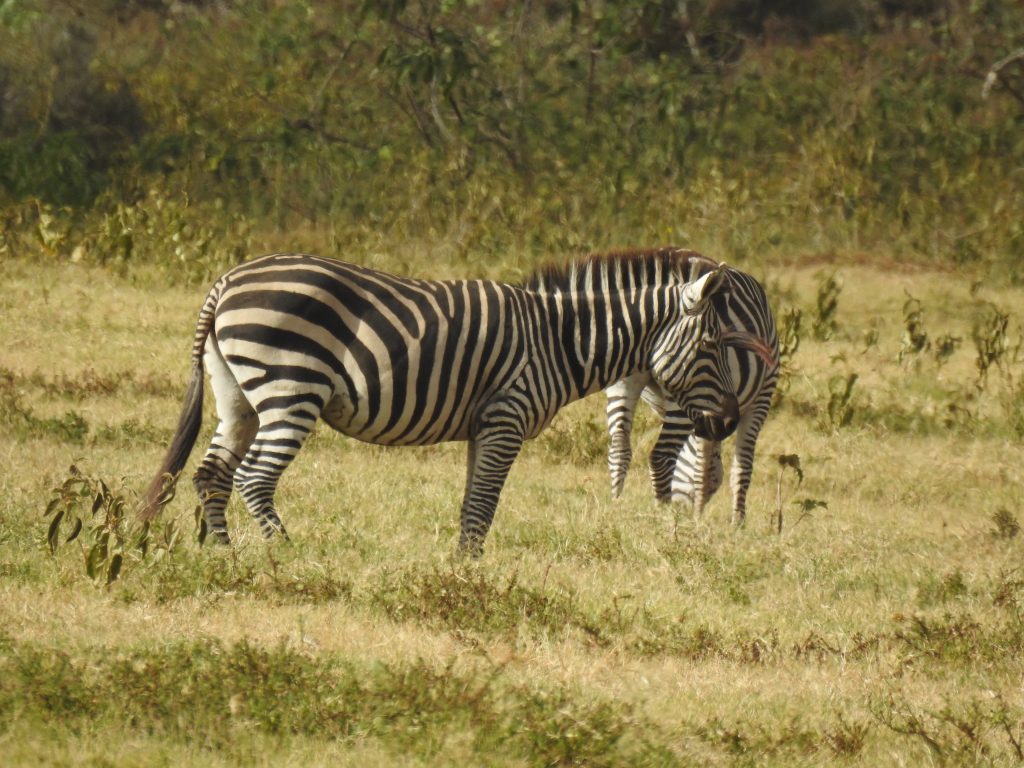
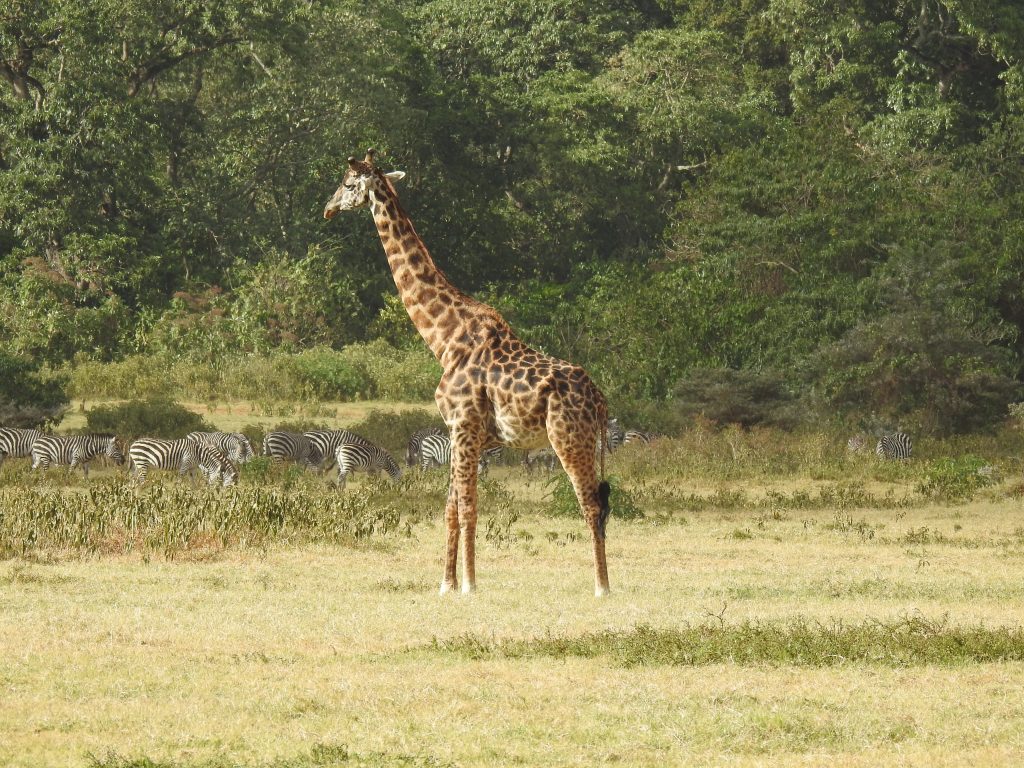
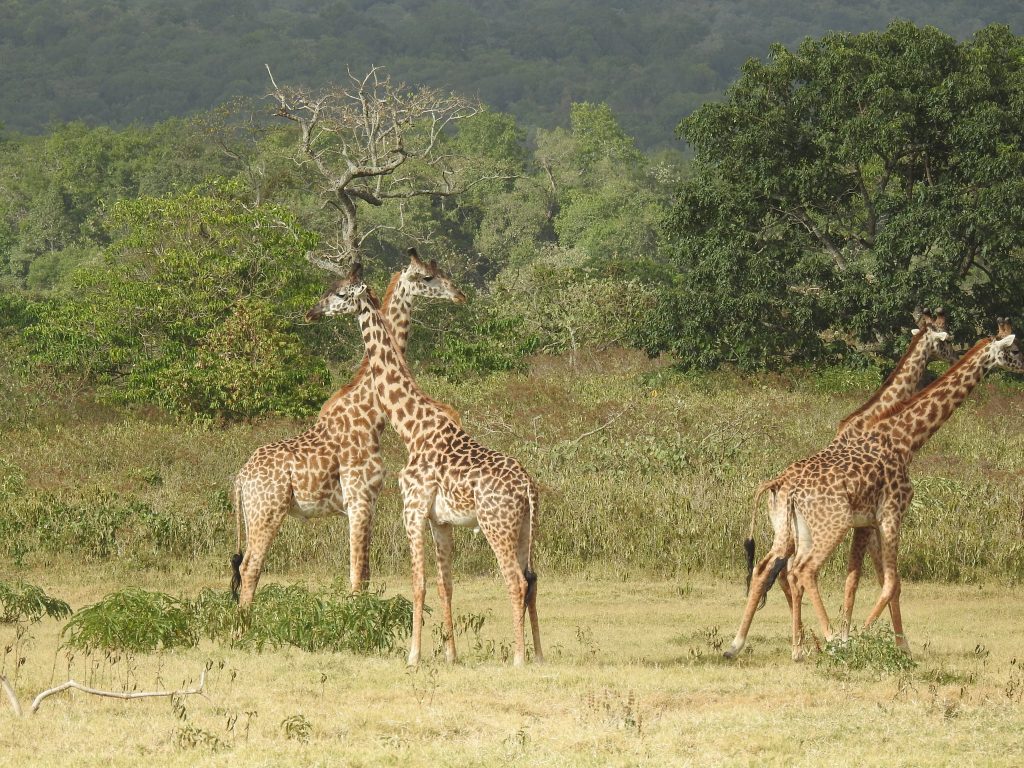
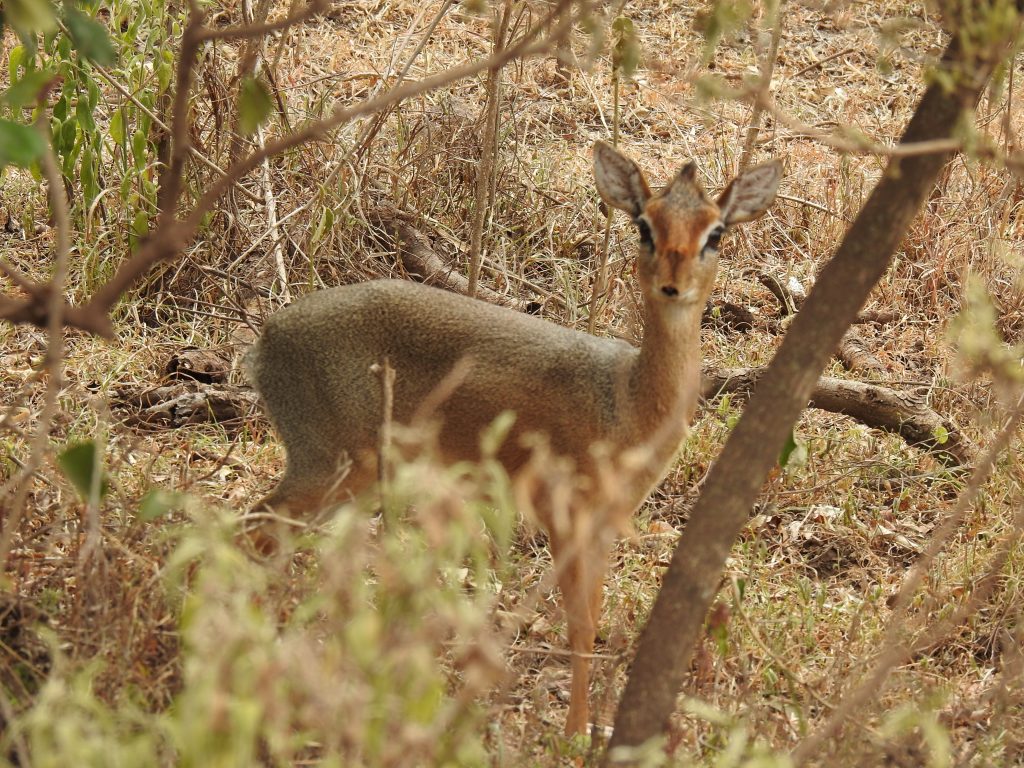
The park is known more for its scenery than its animals. However, you can easily spot buffalos, giraffes, antelopes, flamingos, black and white columbus monkeys as well as a vast number of different bird species. You might also see zebras, giraffes, waterbucks, bushbucks, klipspringers, dik-diks, buffaloes and hippos. There also elephants, red duikers and leopards, which are rarer. You can’t see any lions or rhinos.
The scenery and landscape is what most people visit Arusha for. There are forests, dense vegetation, open grasslands, mountain rainforests, alpine moorlands and moist savannahs. Some popular aspects of Arusha are the wonderful lakes, the breath-taking views of Mount Kilimanjaro and the colossal extinct volcano. The greenery and mountain hiking trails vary perfectly to create an amazing environment.
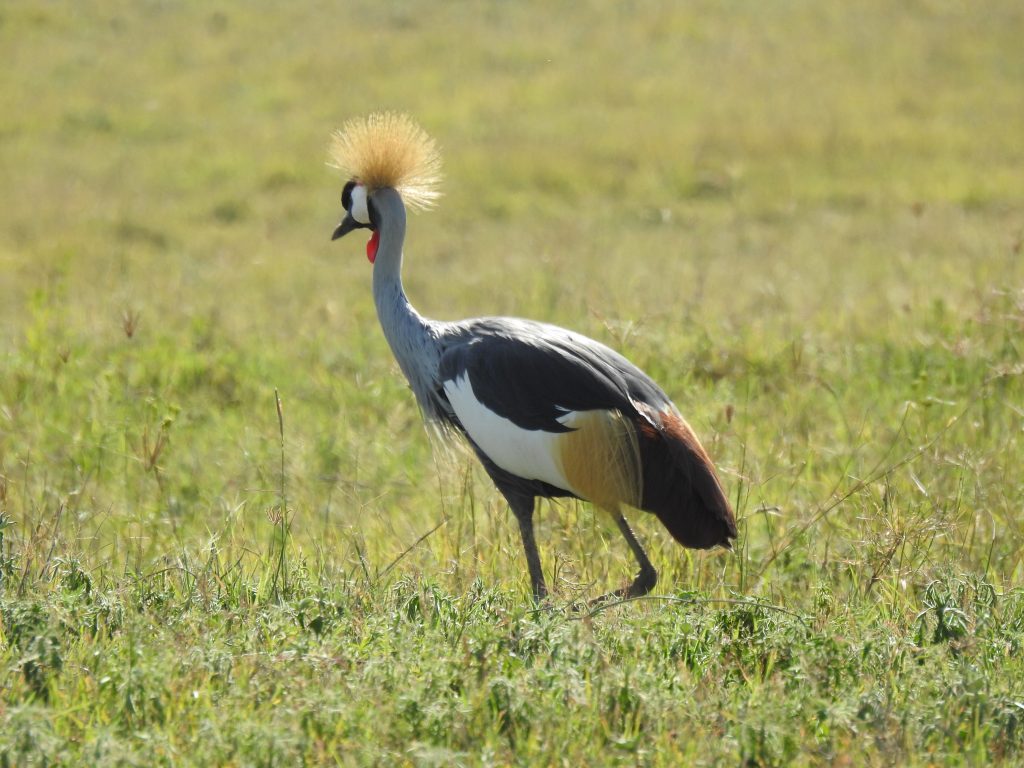
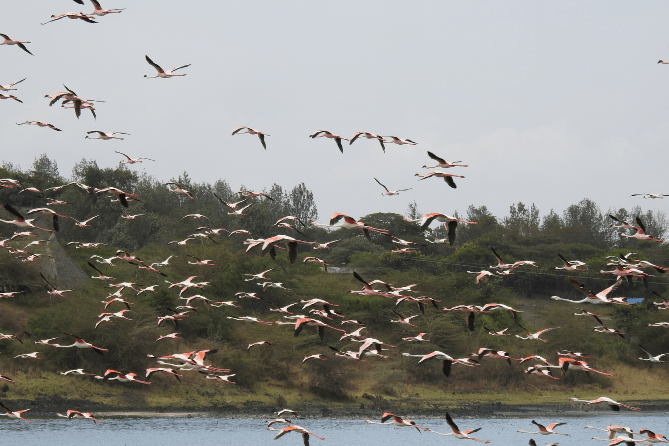
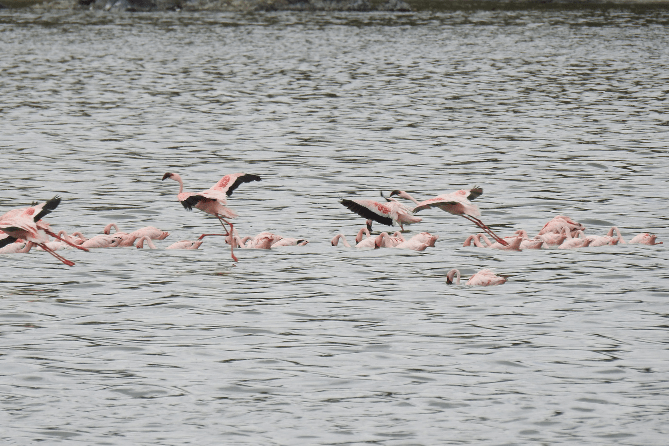
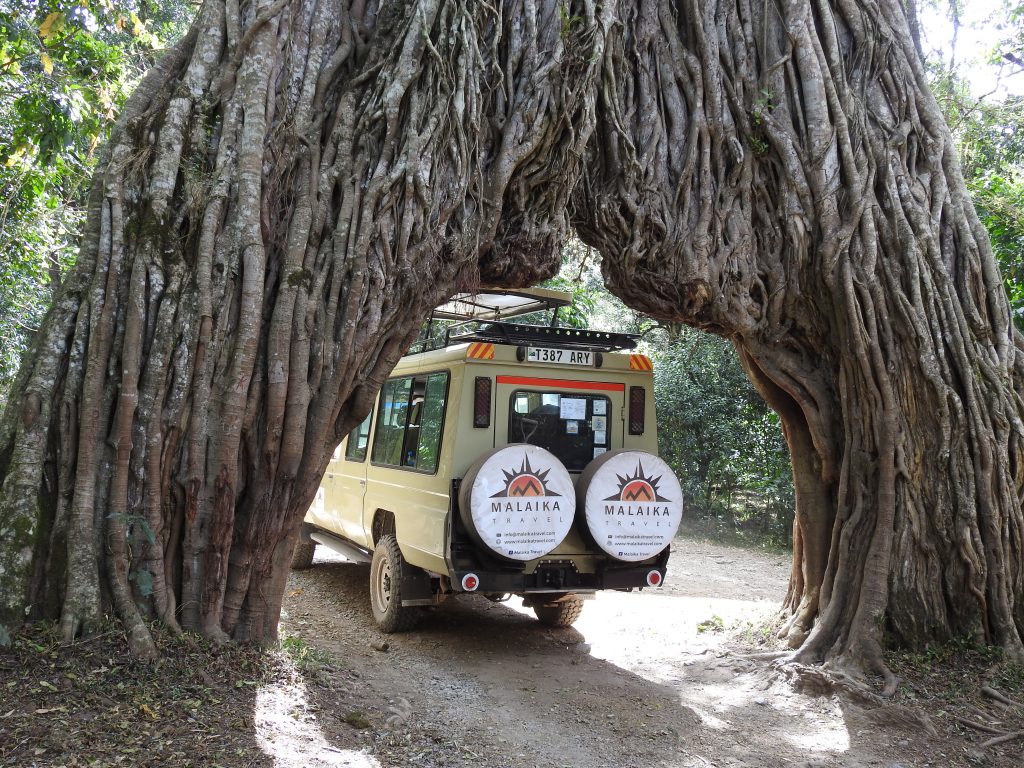
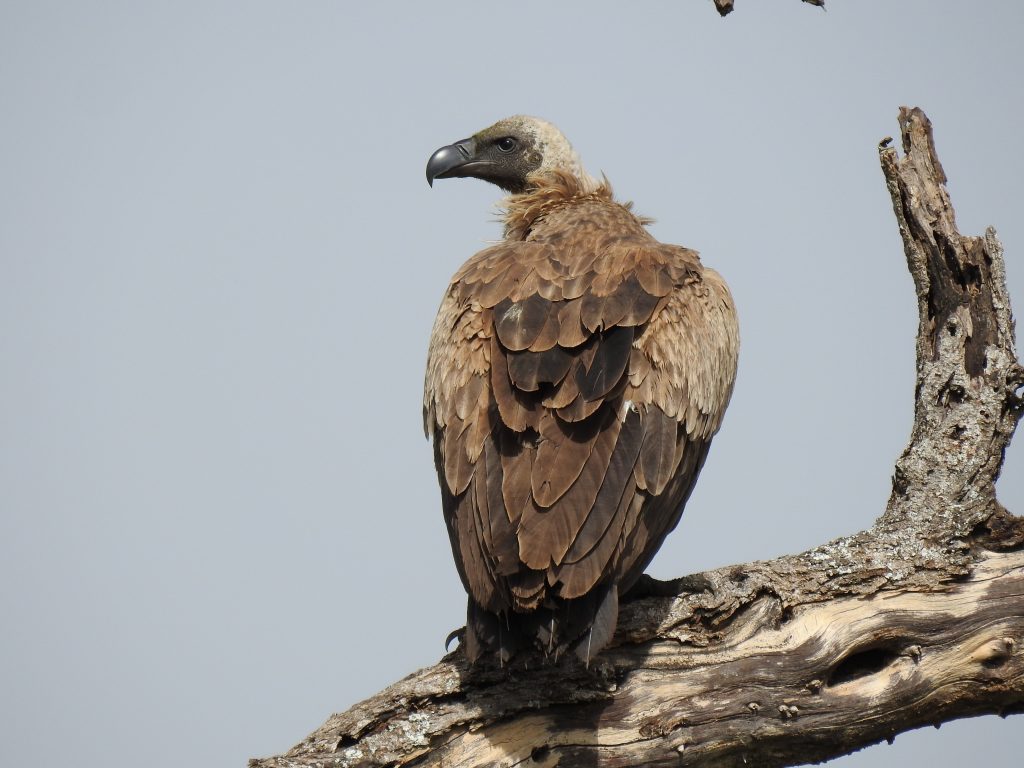
Arusha is a perfect place to visit if you’re interested in birdwatching. Around 400 different bird species live here, and the bird population significantly increases during the migration season. At higher altitudes, you can also see a variety of raptors. The shallow, alkaline lakes attract many birds. In Arusha, you can see birds such as turacos, trogons, Augur buzzards and Verreaux’s eagles.
Tarangire National Park
What can I do here?
- Day & night game drives
- Hot air balloon trip
- Bird watching
Overview
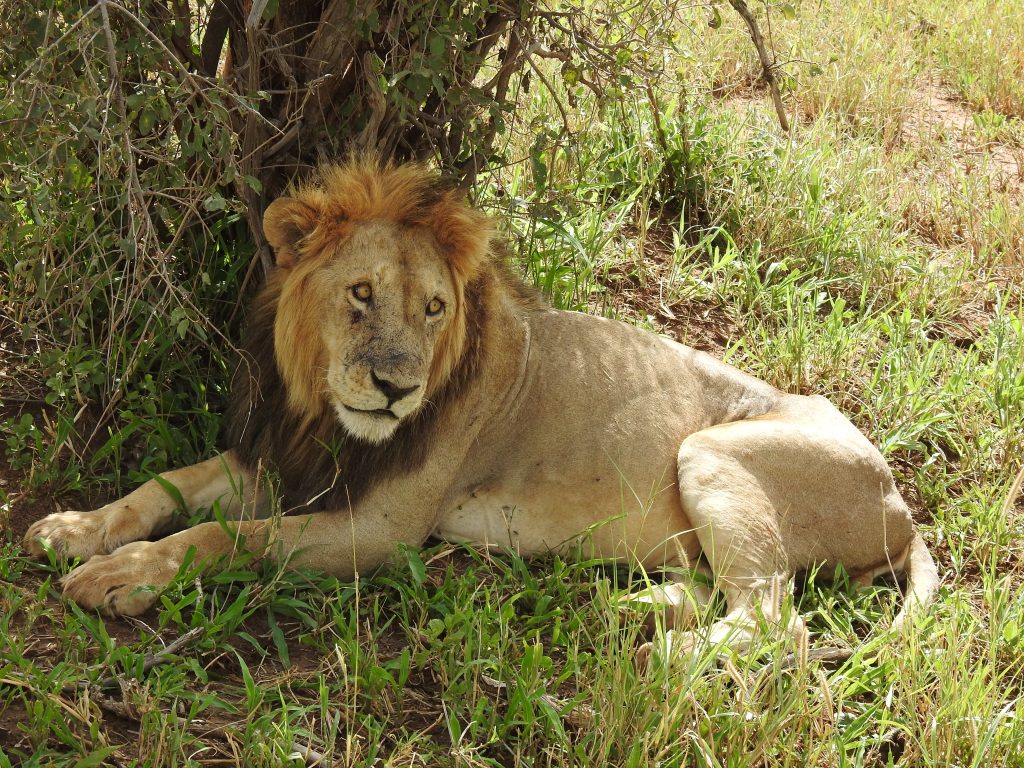
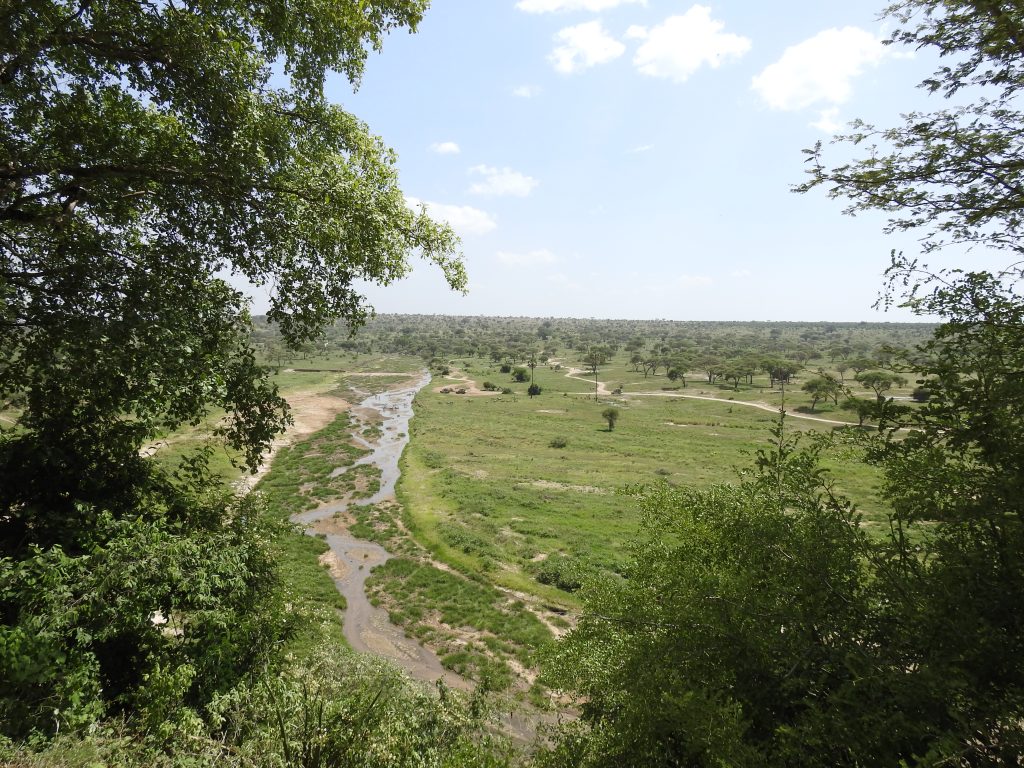
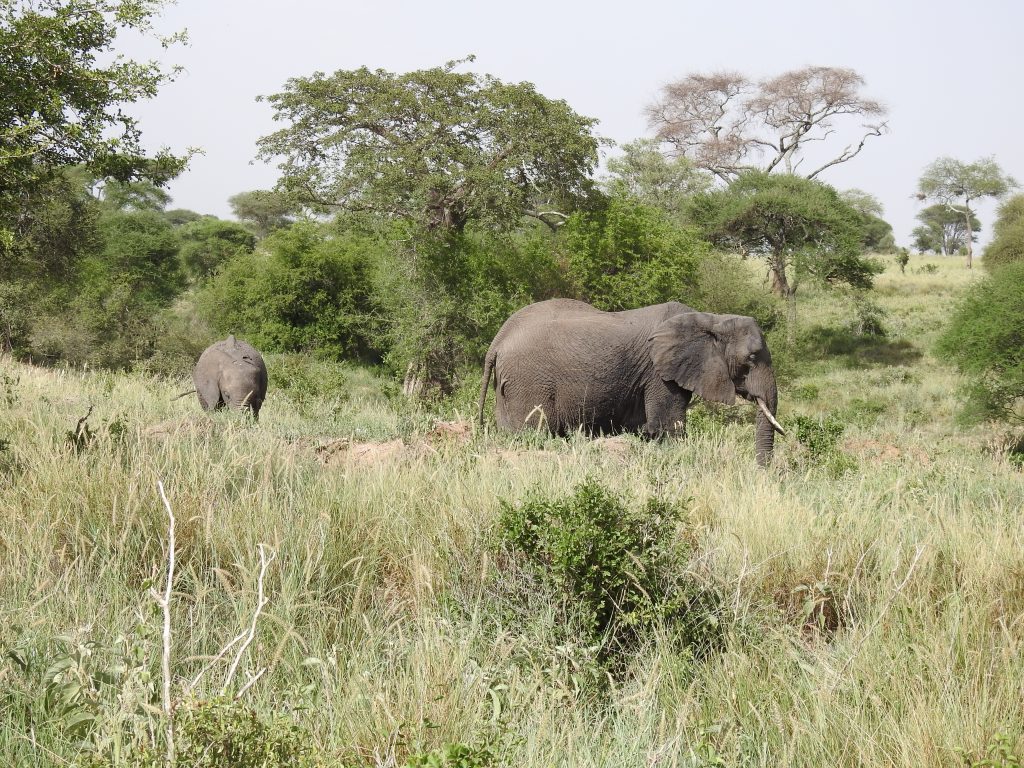
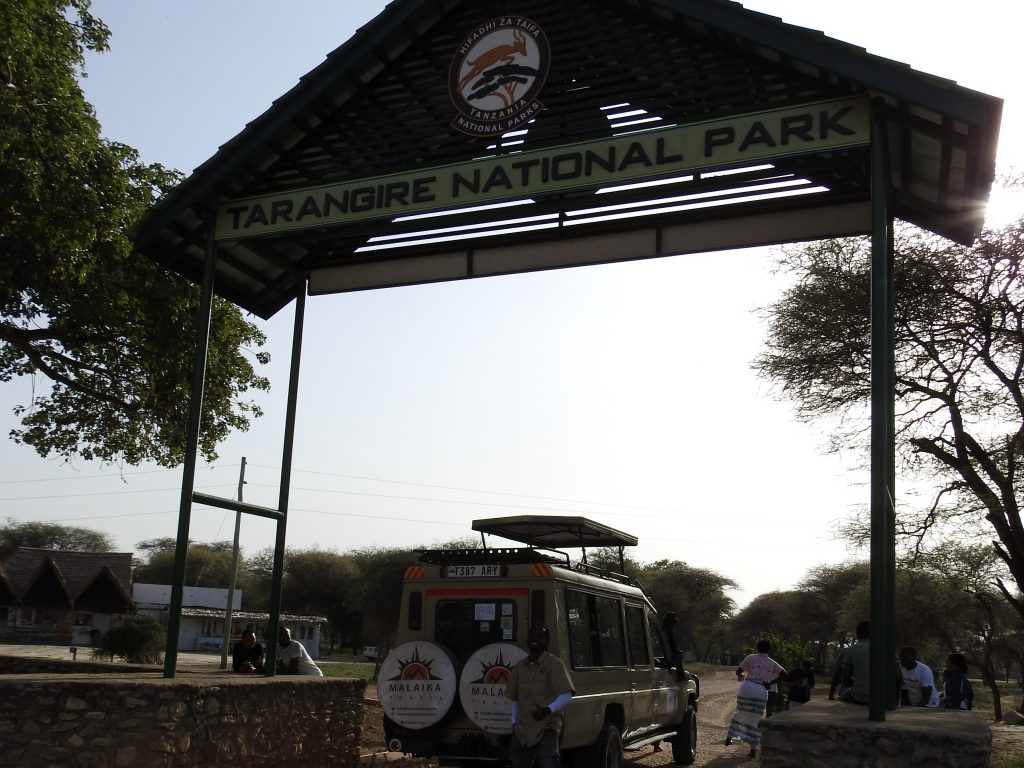
Tarangire is one of the most underrated parks. It is often only visited for day trips because of how close it is to Ngorongoro and Serengeti. It is full of elephants, zebras and lions. It also has some super scenery to go with it. You can also see sights such as the Tarangire River.
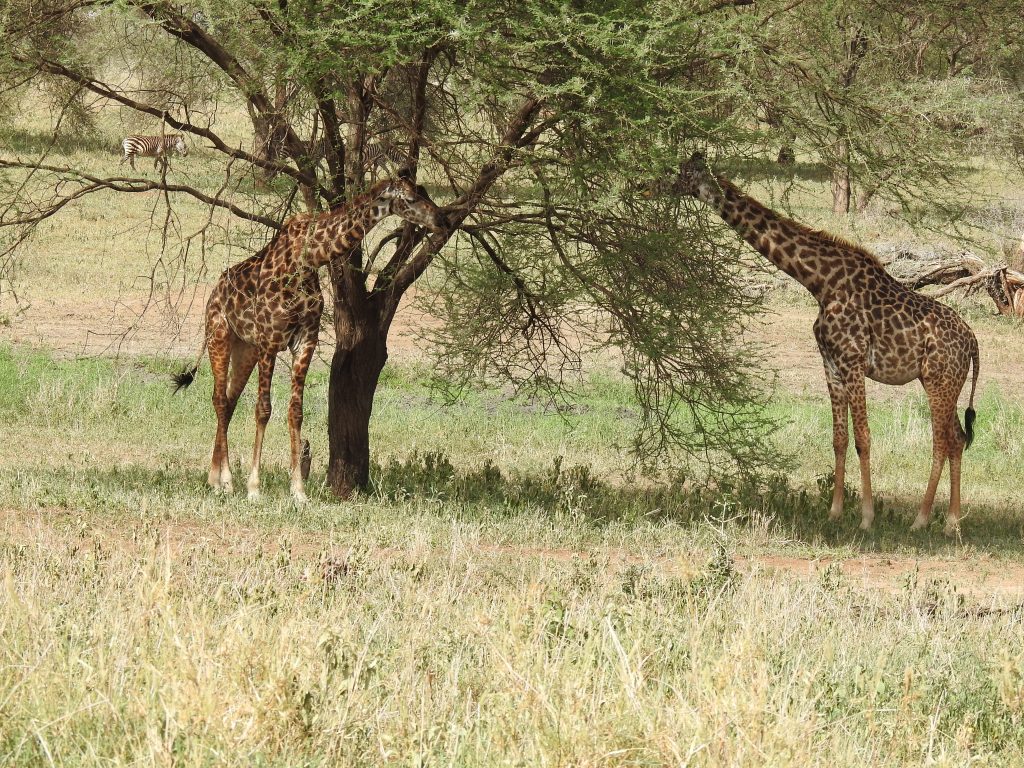
Tarangire has the second largest concentration of wildlife in Tanzania after Serengeti and the highest concentration of elephants in the world. It has over 700 lions living there as well as a selection of other animals. These animals include cheetahs, leopards, zebras, wildebeest, hartebeest, elands, oryx, waterbucks, lesser kudus, giraffe and buffaloes.
This park is also known for its big baobabs, which makes this place special. You can see a baobab called Poacher’s Hide. Poacher’s Hide has an internal cave where poachers would hide.
Lake Eyasi
What can I do here?
- Walking safari
- Bird watching
- Culture tour
Overview
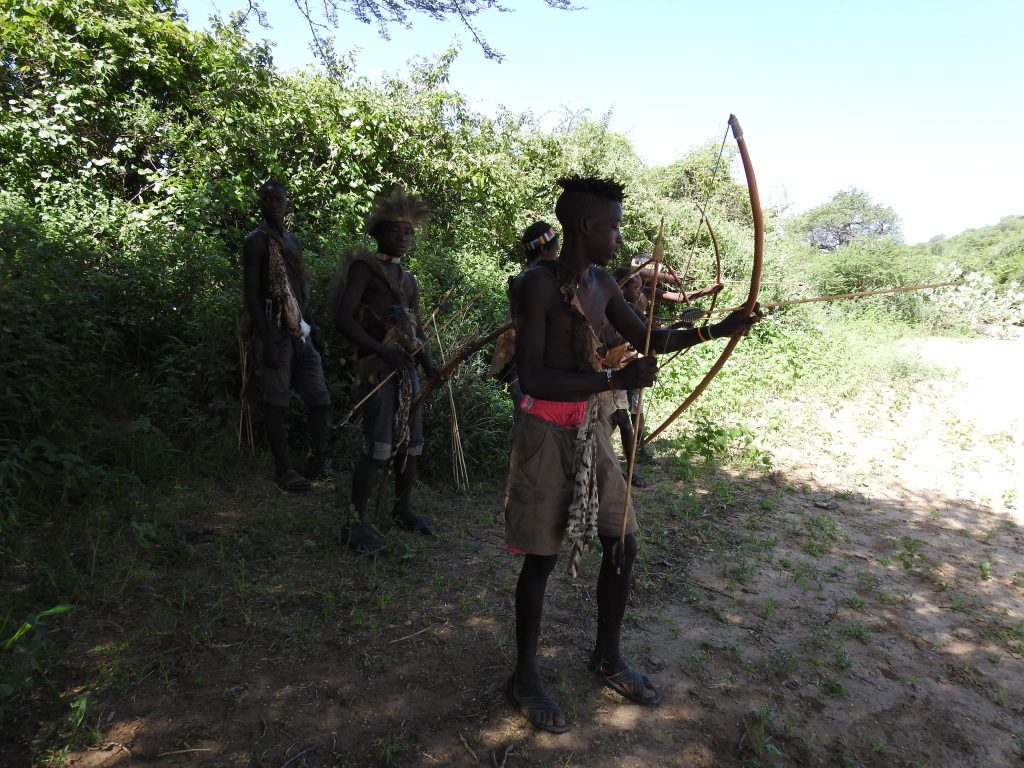
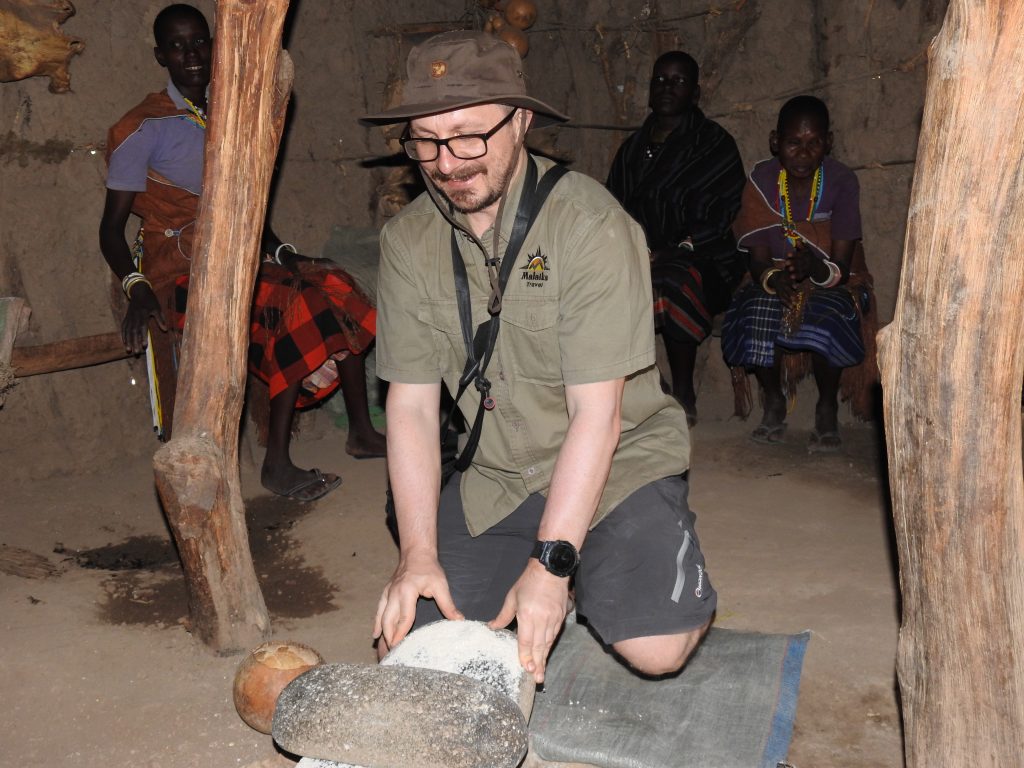
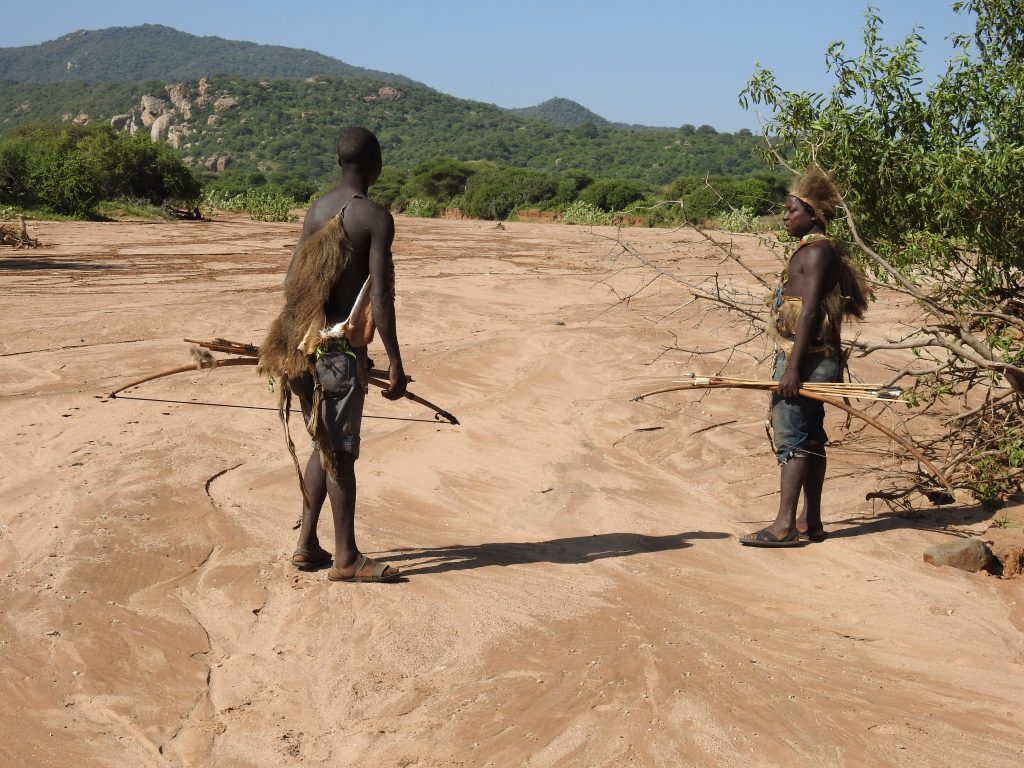
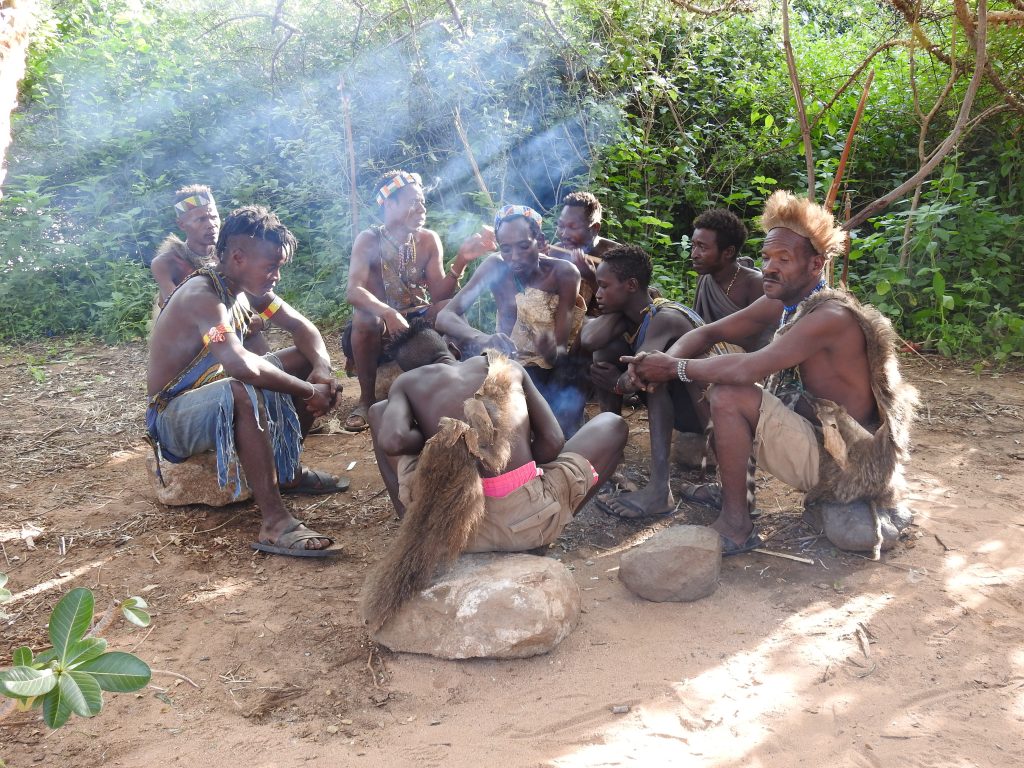
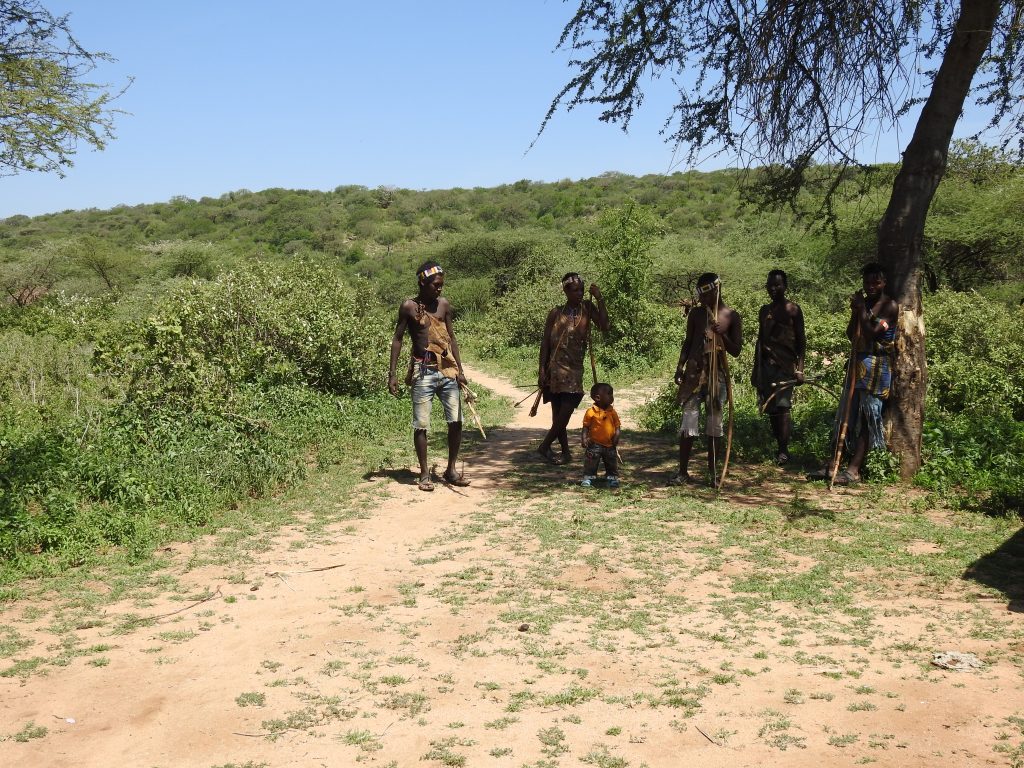
If you’re looking for something different then Lake Eyasi is the place for you. It is a large soda lake located between the Kidero Mountains and the Eyasi escarpment. Alongside the amazing nature, you can also visit the Hadzabe tribe or even hunt with them.
Hadzabe Tribe
The Hadzabe tribe is one of the oldest tribes in this area, dating back over 10,000 years. There is still over 300 tribe members who still live a traditional Hadzabe life. Often, they are considered the last true hunter-gatherers in East Africa.